National Geographic · Newtonian
National Geographic Explorer 114mm
114mm of light-gathering power in a compact, fast Newtonian that punches well above its $99 price point.
Currently unavailable at Amazon
There is no buyable offer right now. We will show the price again when one returns.
Performance Scores
Overview
The National Geographic Explorer 114mm is a Newtonian reflector built around a 114mm (4.5-inch) mirror with a 500mm focal length and a fast f/4.4 focal ratio. That combination gives you genuinely useful aperture for a beginner scope, enough to resolve the Moon's craters in sharp detail, split Jupiter's cloud bands, spot Saturn's rings, and pick out brighter deep-sky objects like the Orion Nebula and the Pleiades. The fast focal ratio means wide, bright fields of view, which works well for star clusters and extended nebulae.
It does, however, make the optics more sensitive to collimation and can introduce some coma toward the edges of the field with the included eyepieces. The two Plossls (26mm and 9.7mm) give you 19x and 51x magnification, and the included 2x Barlow pushes those to 38x and 103x, covering a practical range for most beginner targets. At 2.27kg, the tube is genuinely portable.
The alt-azimuth pan-handle mount is intuitive for beginners, though it will not track objects automatically. Overall, this scope offers a solid entry point for anyone serious about learning the night sky without spending heavily upfront.
At a Glance
114mm
Aperture
f/4.4
Focal Ratio
2.27kg
Weight
500mm
Focal Length
Specifications
Key Features
- The 114mm mirror gathers significantly more light than the 60mm to 70mm refractors common at this price, making faint objects visibly brighter
- An f/4.4 focal ratio produces wide fields ideal for star clusters, the Moon, and extended nebulae
- Four effective magnification steps (19x, 38x, 51x, 103x) from just two eyepieces and a Barlow cover most beginner observing needs
- At 2.27kg, the optical tube is light enough to carry to a dark site without difficulty
- The red-dot finder is fast and practical for star-hopping to targets once you learn the sky
- The alt-azimuth mount with pan-handle control is intuitive for new users, though it requires manual tracking with no motorized option
- Collimation will occasionally be needed given the fast mirror, but this is a learnable skill and part of owning any Newtonian reflector
Recommended Eyepieces
For planets
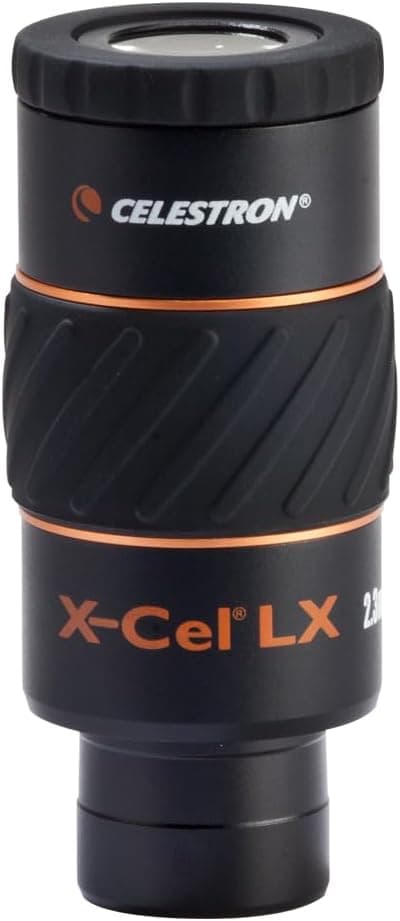
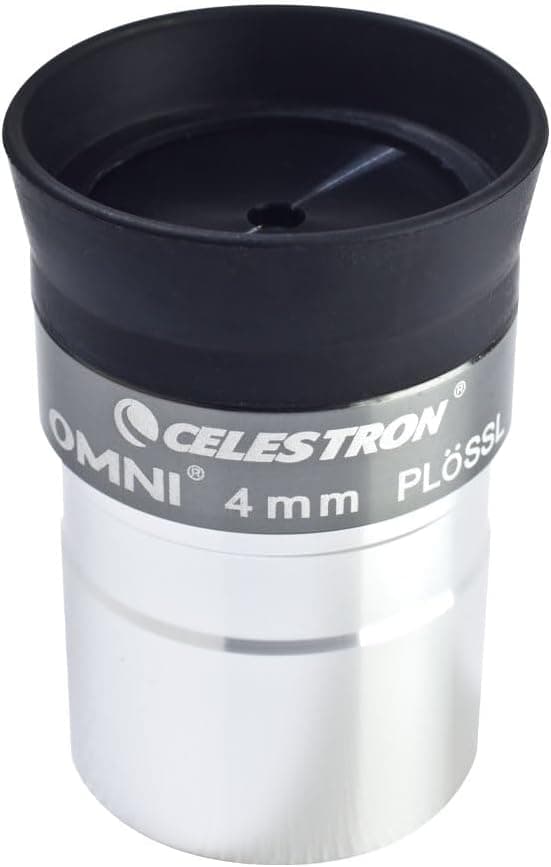
All-rounder
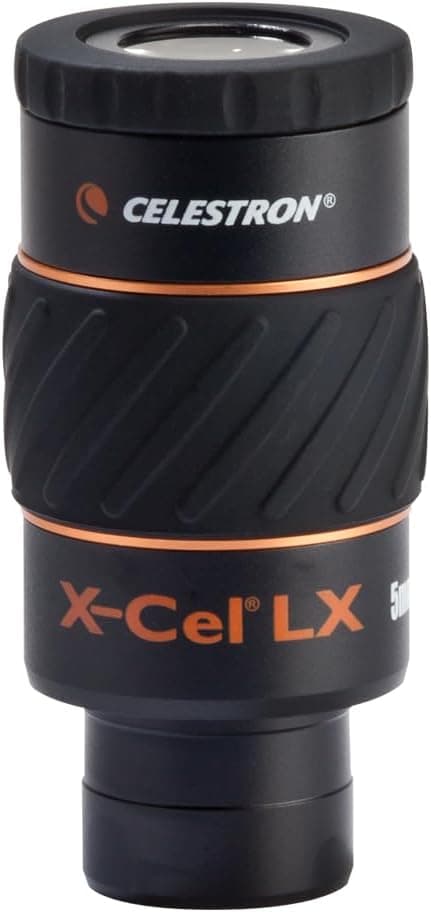
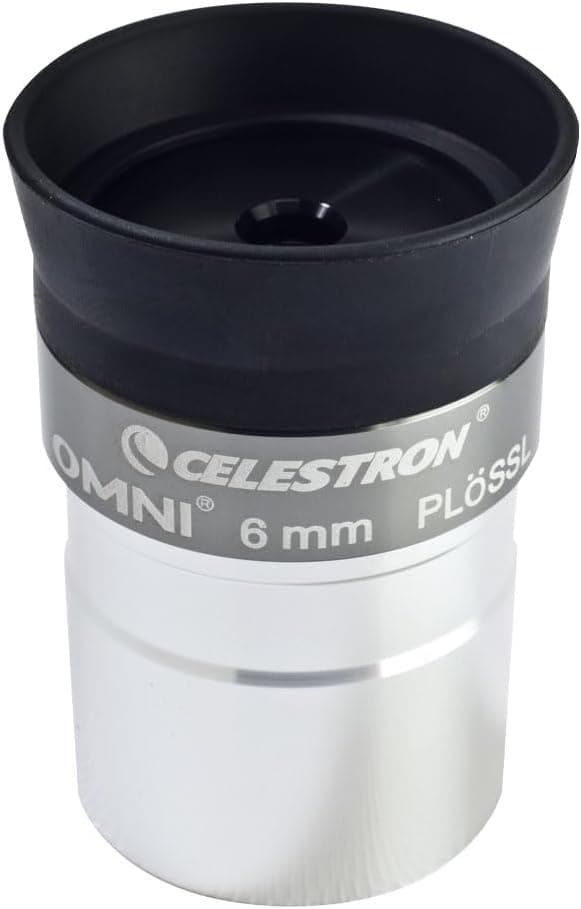
Customer Reviews
128 reviews
The optical quality is quite good. I have an older same magnification telescope but a smaller aperture and I can clearly see that the new telescope collects more light as expected with its larger aperture. The Tripod is not the best and not very stable but again for the price I paid this is great va...
For a low price this telescope delivers high end results at least in my opinion. I love looking at the moon and other planets and this takes good pictures with the cell phone attachment. I bought this one to give to a friend because we liked ours so much.
I only bought it for the OTA, as I already had a better mount to put it on. I have no idea what the quality of the tripod and mount are, or how well they work. I only looked at a full moon through it, and am pleased with the image quality. My only complaint is about the red dot finder. It's so usele...