Comparison
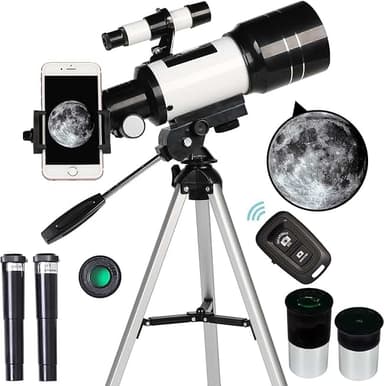
National Geographic Explorer 114mm vs Telescope for Adults & Kids, 70mm Aperture Refractor (15X-150X) Portable Travel
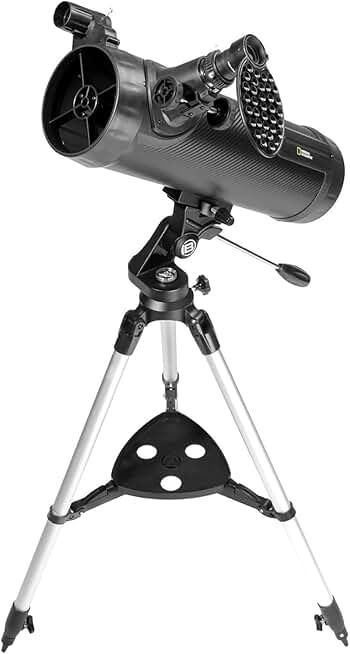
VS
Performance Profile
Score Comparison
National Geographic ExplorerTelescope for Adults
Overall
73
71
Value
94
95
Beginner
48
46
Astrophoto
39
39
Portability
63
64
Planetary
42
35
Deep Sky
45
42
Our Take
It depends on your priorities. The National Geographic Explorer 114mm edges ahead overall with a 73/100 score versus 70/100, but the margin is narrow enough that your observing goals matter more than raw rankings. The single most important differentiator is aperture. The National Geographic Explorer 114mm's larger 114mm mirror gathers significantly more light than the 70mm refractor, translating to better views of faint deep sky objects and superior planetary detail.
This advantage shows across nearly every observing category, particularly in planetary viewing where it scores 42/100 versus 35/100. However, the Telescope for Adults & Kids, 70mm Aperture Refractor edges out portability with marginally better scores and weighs 0.67kg less, making it genuinely travel-friendly for backyards and trips. Buy the National Geographic Explorer 114mm if you want the best optical performance for stationary backyard observing of planets and deep sky objects.
Buy the 70mm refractor if portability and ease of setup are non-negotiable and you're okay accepting reduced image quality. The National Geographic Explorer 114mm is the stronger choice for most amateur astronomers, assuming you're observing from a relatively fixed location. Its light-gathering advantage justifies the modest price premium.
Key Differences
Why choose National Geographic Explorer
- 114mm aperture gathers more light than 70mm
Why choose Telescope for Adults
- $44 cheaper
- 3,388 Amazon reviews vs 128
Specifications
SpecNational Geographic ExplorerTelescope for Adults
Optical Specs
Aperture114mm70mm
Focal Length500mm300mm
Focal Ratiof/4.4f/4.3
Optical DesignNewtonian-
Mount & Tracking
Mount TypeAlt-AzAlt-Az
GoToNoNo
TrackingNoNo
Physical
Weight2.27kg1.6kg
Included Accessories
FinderRed dot finderFinder scope
Pricing & Reviews
Price$100$56
Amazon Rating4.1 stars4.3 stars
Reviews1283,388
Try these telescopes in our Eyepiece Calculator:
Related Comparisons
Telescope 80mm Aperture 600mm - Astronomical Portable Refracting Telescope Fully vs Telescope for Adults & Kids, 70mm Aperture Refractor (15X-150X) Portable TravelExplore Scientific FirstLight AR90mm White Tube Refractor Telescope with Alt/AZ vs National Geographic Explorer 114mmNational Geographic Explorer 114mm vs Telescope, Telescope for Adults High Powered ProfessionalCelestron Travel Scope 80 vs Telescope for Adults & Kids, 70mm Aperture Refractor (15X-150X) Portable TravelTelescope for Adults & Kids, 70mm Aperture Refractor (15X-150X) Portable Travel vs Telescopes for Adults AstronomyTelescope for Adults & Kids, 70mm Aperture Refractor (15X-150X) Portable Travel vs Telescope for Adults & Kids, 80mm Aperture 500mm (20X-150X) Professional Refract