Comparison
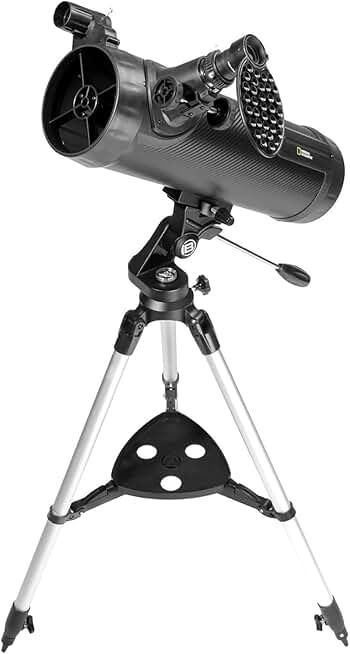
Celestron PowerSeeker 127EQ vs National Geographic Explorer 114mm
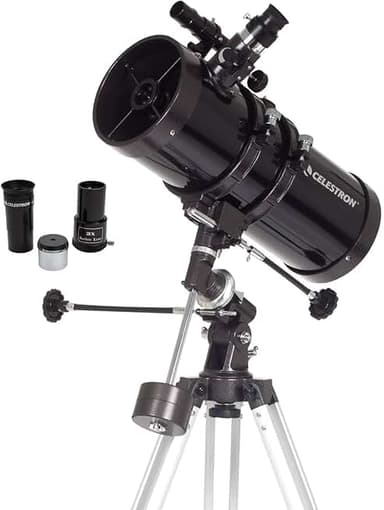
VS
Performance Profile
Score Comparison
Celestron PowerSeeker 127EQNational Geographic Explorer
Overall
73
73
Value
85
94
Beginner
45
48
Astrophoto
48
39
Portability
60
63
Planetary
48
42
Deep Sky
41
45
Our Take
It depends on your priorities and experience level. Both telescopes score identically at 73/100 overall, but they serve different observing needs. The single most important differentiator is aperture versus portability; the Celestron PowerSeeker 127EQ offers 13mm more aperture for superior light gathering and planetary detail, while the National Geographic Explorer 114mm weighs 60% less and features a faster f/4.40 focal ratio better suited for wide-field viewing and astrophotography.
The Celestron edges ahead for deep-sky observation and planetary work, scoring 41 and 48 respectively compared to the National Geographic's 45 and 42. However, the National Geographic's lightweight design and alt-azimuth mount make it more accessible for beginners hesitant about equatorial mechanics, plus its superior portability score means you'll actually take it outside more often. Buy the Celestron PowerSeeker 127EQ if you plan backyard observing sessions from a fixed location and want the best planetary views.
Buy the National Geographic Explorer 114mm if you value portability, casual stargazing, and a gentler learning curve. For most beginners, the National Geographic's ease of use and lower price slightly edge out the Celestron's optical advantages, but serious planetary observers should invest in the extra aperture.
Key Differences
Why choose Celestron PowerSeeker 127EQ
- 127mm aperture gathers more light than 114mm
- 10,316 Amazon reviews vs 128
Why choose National Geographic Explorer
- $84 cheaper
- 3.6kg lighter and more portable
- Faster f/4.4 for wider field of view
Specifications
SpecCelestron PowerSeeker 127EQNational Geographic Explorer
Optical Specs
Aperture127mm114mm
Focal Length1000mm500mm
Focal Ratiof/7.9f/4.4
Optical DesignNewtonianNewtonian
Mount & Tracking
Mount TypeEquatorialAlt-Az
GoToNoNo
TrackingNoNo
Physical
Weight5.9kg2.27kg
Included Accessories
FinderFinder scopeRed dot finder
Pricing & Reviews
Price$184$100
Amazon Rating4.1 stars4.1 stars
Reviews10,316128
Try these telescopes in our Eyepiece Calculator:
Related Comparisons
Celestron PowerSeeker 127EQ vs Telescope for Adults High PoweredCelestron AstroMaster 102AZ vs Celestron PowerSeeker 127EQExplore Scientific FirstLight AR90mm White Tube Refractor Telescope with Alt/AZ vs National Geographic Explorer 114mmNational Geographic Explorer 114mm vs Telescope, Telescope for Adults High Powered ProfessionalCelestron PowerSeeker 127EQ vs Telescope, Telescope for Adults High Powered ProfessionalCelestron PowerSeeker 127EQ vs Telescope, 150EQ Newtonian Reflector Telescope for Adults Astronomy Beginners