Comparison
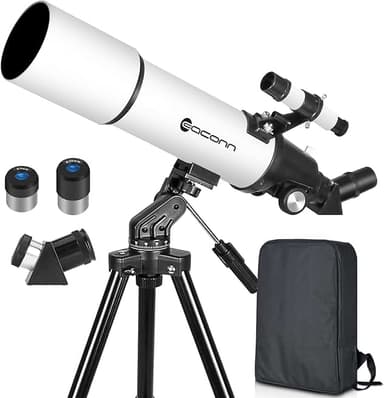
National Geographic Explorer 114mm vs Telescopes for Adults Astronomy
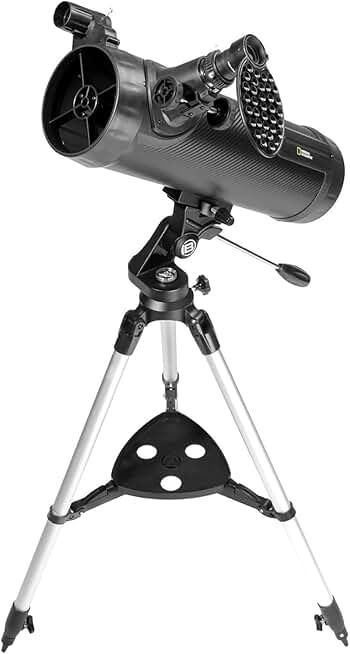
VS
Performance Profile
Score Comparison
National Geographic ExplorerTelescopes for Adults
Overall
73
69
Value
94
93
Beginner
48
47
Astrophoto
39
32
Portability
63
63
Planetary
42
44
Deep Sky
45
37
Our Take
The National Geographic Explorer 114mm is the clear winner for most amateur astronomers, primarily because its larger 114mm aperture delivers significantly more light-gathering power than the 80mm Telescopes for Adults Astronomy. This 43 percent aperture advantage translates into brighter deep-sky views, better planetary detail, and superior overall performance across nearly every observing category. The Explorer scores higher in deep sky (45 vs 37), planetary work (44 vs 42), and astrophotography (39 vs 32) while matching the competitor on beginner accessibility.
The single most important differentiator is aperture; the Explorer's larger mirror fundamentally outperforms the smaller scope in all scientific disciplines. The Explorer's faster f/4.4 focal ratio also aids deep-sky observation, though the Telescopes for Adults Astronomy's longer focal length offers slightly steadier planetary viewing. Yes, the Explorer weighs slightly less at 2.27kg versus 3.06kg, making portability essentially equal.
The National Geographic Explorer 114mm suits anyone serious about visual astronomy who values performance over budget constraints. The Telescopes for Adults Astronomy makes sense only for buyers with extremely tight budgets who prioritize saving ten dollars over optical capability. We recommend the National Geographic Explorer 114mm as the superior investment.
Key Differences
Why choose National Geographic Explorer
- 114mm aperture gathers more light than 80mm
- Faster f/4.4 for wider field of view
Why choose Telescopes for Adults
- Higher Amazon rating (4.4 vs 4.1 stars)
- 2,037 Amazon reviews vs 128
Specifications
SpecNational Geographic ExplorerTelescopes for Adults
Optical Specs
Aperture114mm80mm
Focal Length500mm600mm
Focal Ratiof/4.4f/7.5
Optical DesignNewtonian-
Coating-Fully Multi-Coated
Mount & Tracking
Mount TypeAlt-AzAlt-Az
GoToNoNo
TrackingNoNo
Physical
Weight2.27kg3.06kg
Included Accessories
FinderRed dot finder5x24 optical finder
Pricing & Reviews
Price$100$100
Amazon Rating4.1 stars4.4 stars
Reviews1282,037
Try these telescopes in our Eyepiece Calculator:
Related Comparisons
Telescopes for Adults Astronomy vs ToyerBee Telescope for Adults & KidsTelescope 80mm Aperture 600mm - Astronomical Portable Refracting Telescope Fully vs Telescopes for Adults AstronomyExplore Scientific FirstLight AR90mm White Tube Refractor Telescope with Alt/AZ vs National Geographic Explorer 114mmCelestron Travel Scope 80 vs Telescopes for Adults AstronomyTelescopes for Adults Astronomy vs Telescopes, Telescope for Kids and Adults BeginnersNational Geographic Explorer 114mm vs Telescope, Telescope for Adults High Powered Professional