Comparison
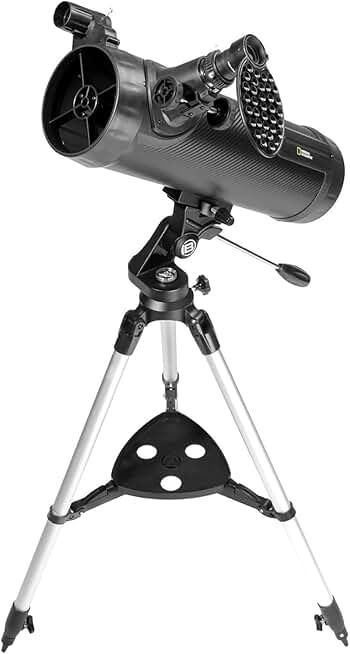
Celestron StarSense Explorer LT 114AZ vs National Geographic Explorer 114mm
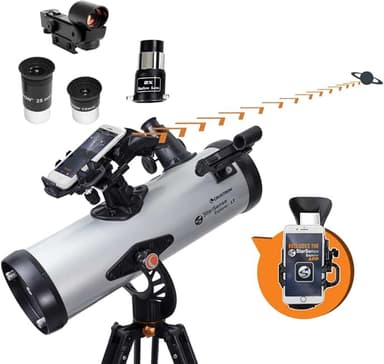
VS
Performance Profile
Score Comparison
Celestron StarSense ExplorerNational Geographic Explorer
Overall
75
73
Value
85
94
Beginner
47
48
Astrophoto
45
39
Portability
61
63
Planetary
51
42
Deep Sky
46
45
Our Take
The Celestron StarSense Explorer LT 114AZ emerges as the better choice for most amateur astronomers, despite its higher price. Both telescopes share identical 114mm apertures and alt-az mounts, but the Celestron's f/8.8 focal ratio versus the National Geographic's f/4.4 represents the critical difference. The Celestron's longer focal length delivers superior contrast and detail for planetary observation and deep-sky work, scoring notably higher in both categories.
Its motorized tracking system adds genuine convenience for extended viewing sessions, eliminating the constant manual adjustments required by the National Geographic's purely manual operation. The Celestron scores 5 points higher overall despite weighing twice as much, reflecting its optical advantages. The National Geographic Explorer 114mm makes sense only if portability is your primary concern and budget is extremely tight.
Its lighter weight and lower price attract casual observers, but the sacrificed optical quality becomes frustrating once you attempt serious lunar or planetary viewing. For serious amateur astronomers willing to invest slightly more, the Celestron StarSense Explorer LT 114AZ provides meaningfully better performance that justifies its cost. Casual observers on minimal budgets who prioritize mobility might consider the National Geographic, though you will likely regret the compromises.
Key Differences
Why choose Celestron StarSense Explorer
- Has tracking capability for astrophotography
- 1,460 Amazon reviews vs 128
Why choose National Geographic Explorer
- $130 cheaper
- 2.4kg lighter and more portable
- Faster f/4.4 for wider field of view
Specifications
SpecCelestron StarSense ExplorerNational Geographic Explorer
Optical Specs
Aperture114mm114mm
Focal Length1000mm500mm
Focal Ratiof/8.8f/4.4
Optical DesignNewtonianNewtonian
Mount & Tracking
Mount TypeAlt-AzAlt-Az
GoToNoNo
TrackingYesNo
Physical
Weight4.72kg2.27kg
Included Accessories
FinderRed dot finderRed dot finder
Pricing & Reviews
Price$230$100
Amazon Rating4.1 stars4.1 stars
Reviews1,460128
Try these telescopes in our Eyepiece Calculator:
Related Comparisons
Explore Scientific FirstLight AR90mm White Tube Refractor Telescope with Alt/AZ vs National Geographic Explorer 114mmNational Geographic Explorer 114mm vs Telescope, Telescope for Adults High Powered ProfessionalCelestron StarSense Explorer LT 114AZ vs National Geographic NT114CFCelestron StarSense Explorer LT 114AZ vs Telescope, 150EQ Newtonian Reflector Telescope for Adults Astronomy BeginnersCelestron 1.25 Inch X-Cel LX 3X Barlow Lens, Black vs National Geographic Explorer 114mmNational Geographic Explorer 114mm vs Telescope for Adults High Powered