Comparison
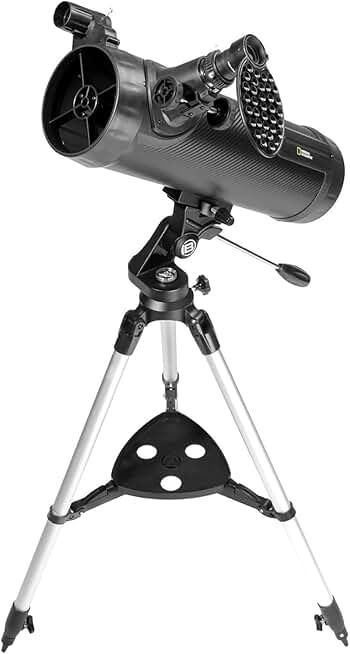
Celestron 1.25 Inch X-Cel LX 3X Barlow Lens, Black vs National Geographic Explorer 114mm
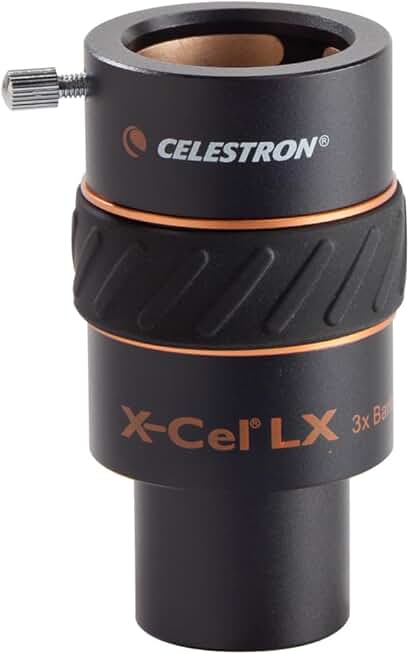
VS
Performance Profile
Score Comparison
Celestron 1.25 InchNational Geographic Explorer
Overall
57
73
Value
93
94
Beginner
44
48
Astrophoto
17
39
Portability
40
63
Planetary
41
42
Deep Sky
20
45
Our Take
The National Geographic Explorer 114mm is the clear winner for most amateur astronomers at this price point. The single most important differentiator is aperture. The Explorer's 114mm objective gathers nearly four times more light than the Celestron's 31.80mm optics, translating to dramatically superior performance across deep-sky observation, planetary detail, and astrophotography.
The Celestron, despite being a Barlow lens accessory, simply cannot compete with a dedicated reflector telescope of this aperture size. The Celestron 1.25 Inch X-Cel LX 3X Barlow Lens makes sense only for users who already own a quality refractor and want magnification multiplication on a strict budget. The National Geographic Explorer 114mm should be purchased by beginners and intermediate observers seeking a versatile instrument that excels at viewing galaxies, nebulae, and planetary features without breaking the bank.
For nearly identical pricing, the Explorer delivers substantially better optical performance, superior deep-sky capabilities, and greater overall versatility. Its only mild weakness compared to the Celestron is marginally lower portability, though at 2.27kg it remains reasonably portable. Unless you specifically need a Barlow lens for an existing telescope, the Explorer represents dramatically better value.
Key Differences
Why choose Celestron 1.25 Inch
- Higher Amazon rating (4.7 vs 4.0 stars)
- 1,029 Amazon reviews vs 128
Why choose National Geographic Explorer
- 114mm aperture gathers more light than 31.8mm
- Higher Overall score (73 vs 57)
- Higher Astrophoto score (39 vs 17)
- Higher Portability score (63 vs 40)
- Higher Deep Sky score (45 vs 20)
Specifications
SpecCelestron 1.25 InchNational Geographic Explorer
Optical Specs
Aperture31.8mm114mm
Focal Length-500mm
Focal Ratio-f/4.4
Optical DesignApochromat RefractorNewtonian
CoatingFully Multi-Coated-
Mount & Tracking
Mount TypeAlt-AzAlt-Az
GoToNoNo
TrackingNoNo
Physical
Weight-2.27kg
Included Accessories
Finder-Red dot finder
Pricing & Reviews
Price$100$100
Amazon Rating4.7 stars4.0 stars
Reviews1,029128
Try these telescopes in our Eyepiece Calculator:
Related Comparisons
Celestron 1.25 Inch X-Cel LX 3X Barlow Lens, Black vs Telescope for Adults & Kids, 80mm Aperture 500mm (20X-150X) Professional RefractCelestron 1.25 Inch X-Cel LX 3X Barlow Lens, Black vs Telescope 70mm Aperture 500mm - for Kids & Adults Astronomical refracting PortabCelestron 1.25 Inch X-Cel LX 3X Barlow Lens, Black vs Telescope for Adults High PoweredExplore Scientific FirstLight AR90mm White Tube Refractor Telescope with Alt/AZ vs National Geographic Explorer 114mmNational Geographic Explorer 114mm vs Telescope, Telescope for Adults High Powered ProfessionalCelestron 1.25 Inch X-Cel LX 3X Barlow Lens, Black vs Telescope for Adults High Powered