Comparison
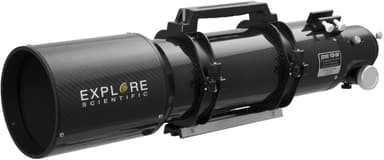
Celestron NexStar Evolution 9.25 vs Explore Scientific ED102 FCD100
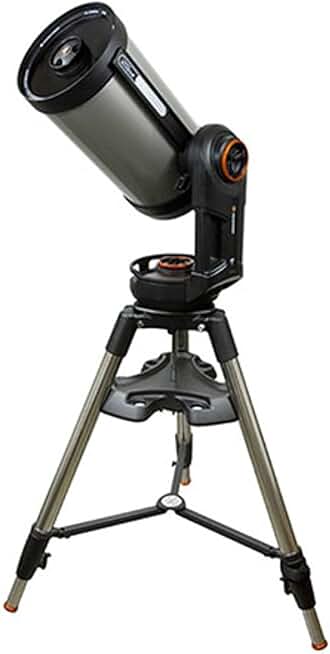
VS
Performance Profile
Score Comparison
Celestron NexStar EvolutionExplore Scientific ED102
Overall
74
40
Value
37
30
Beginner
45
25
Astrophoto
51
39
Portability
44
63
Planetary
72
8
Deep Sky
62
16
Our Take
The Celestron NexStar Evolution 9.25 is the clear winner for most amateur astronomers, scoring 74 overall versus 40 for the Explore Scientific ED102 FCD100. The single most important differentiator is aperture; the Celestron's 235mm mirror gathers nearly four times more light than the ED102's 102mm objective, delivering dramatically superior performance across planetary observation, deep sky viewing, and detailed lunar work. This advantage compounds because GoTo automation makes the larger scope easier to use despite its weight.
The Celestron NexStar Evolution 9.25 suits observers prioritizing optical performance and automated sky navigation, particularly those observing from fixed locations who value planetary detail and faint object visibility. The Explore Scientific ED102 FCD100 makes sense only for dedicated visual observers who hike to dark skies and demand extreme portability over optical power, accepting its serious limitations in planetary performance and deep sky capability. Buy the Celestron NexStar Evolution 9.25 if you want genuine observing capability and don't mind its 16kg weight.
At $2249.99, the ED102 underperforms its price point significantly; the Celestron's superior versatility and automation justify the $250 premium. The ED102 excels at one thing only: getting somewhere dark, fast.
Key Differences
Why choose Celestron NexStar Evolution
- Includes GoTo mount for automatic object finding
- Has tracking capability for astrophotography
- Higher Overall score (74 vs 40)
- Higher Beginner score (45 vs 25)
- Higher Astrophoto score (51 vs 39)
- Higher Planetary score (72 vs 8)
Why choose Explore Scientific ED102
- 13.1kg lighter and more portable
- Faster f/7 for wider field of view
- Higher Portability score (63 vs 44)
Specifications
SpecCelestron NexStar EvolutionExplore Scientific ED102
Optical Specs
Aperture235mm-
Focal Length2350mm-
Focal Ratiof/10f/7
Optical DesignSchmidt-Cassegrain-
Mount & Tracking
Mount TypeAlt-AzEquatorial
GoToYesNo
TrackingYesNo
Physical
Weight16.33kg3.18kg
Included Accessories
FinderStarPointerFinder scope
Pricing & Reviews
Price$2499$2250
Amazon Rating3.4 stars2.0 stars
Reviews421
Try these telescopes in our Eyepiece Calculator:
Related Comparisons
Celestron NexStar 8 SE Schmidt-Cassegrain Computerized Telescope with 1.25" Eyep vs Explore Scientific ED102 FCD100Celestron NexStar 8SE vs Explore Scientific ED102 FCD100Celestron NexStar Evolution 8 EdgeHD vs Explore Scientific ED102 FCD100Celestron NexStar Evolution 8 EdgeHD vs Celestron NexStar Evolution 9.25Celestron Advanced VX 6" SCT vs Explore Scientific ED102 FCD100Celestron NexStar Evolution 8 EdgeHD vs Explore Scientific ED102 FCD100