Comparison
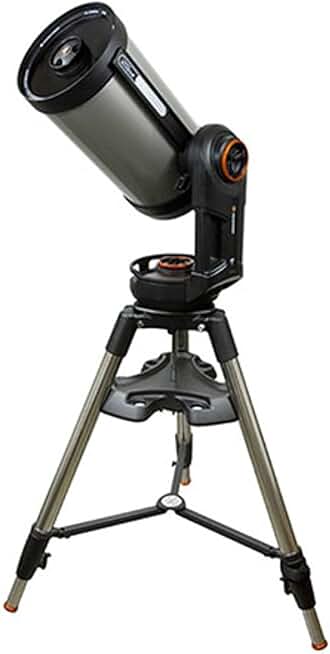
Celestron NexStar Evolution 8 EdgeHD vs Celestron NexStar Evolution 9.25
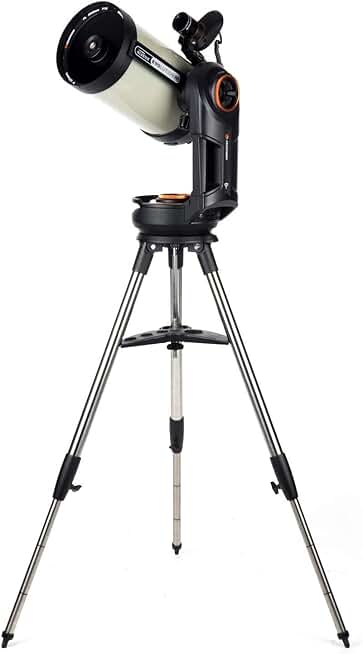
VS
Performance Profile
Score Comparison
Celestron NexStar EvolutionCelestron NexStar Evolution
Overall
71
74
Value
36
37
Beginner
37
45
Astrophoto
66
51
Portability
17
44
Planetary
69
72
Deep Sky
59
62
Our Take
It depends on your observing style and logistics. The Celestron NexStar Evolution 9.25 wins on overall performance and value, scoring 74 versus 71, while costing $200 less. However, the Celestron NexStar Evolution 8 EdgeHD offers meaningful advantages in specific areas that matter to some observers.
The single most important differentiator is aperture versus portability. The Evolution 9.25's larger 235mm mirror delivers superior deep sky and planetary views, yet weighs just 16.33kg compared to the Evolution 8's 31.30kg. The Evolution 8's equatorial mount provides better astrophotography stability and tracking precision, while the Evolution 9.25's alt-azimuth design is simpler for casual stargazing.
The Celestron NexStar Evolution 9.25 suits most amateur astronomers; its larger aperture, lighter weight, and superior deep sky performance make it the better all-rounder. The Celestron NexStar Evolution 8 EdgeHD appeals to serious astrophotographers willing to accept smaller aperture for the equatorial mount's precision and the EdgeHD's optical refinements. Buy the Evolution 9.25 unless astrophotography is your primary focus, in which case the Evolution 8's equatorial mount and premium optics justify the cost, extra weight, and smaller aperture.
Key Differences
Why choose Celestron NexStar Evolution
- Higher Astrophoto score (66 vs 51)
Why choose Celestron NexStar Evolution
- 235mm aperture gathers more light than 203.2mm
- 15.0kg lighter and more portable
- Higher Portability score (44 vs 17)
- 42 Amazon reviews vs 17
Specifications
SpecCelestron NexStar EvolutionCelestron NexStar Evolution
Optical Specs
Aperture203.2mm235mm
Focal Length2032mm2350mm
Focal Ratiof/10f/10
Optical DesignSchmidt-CassegrainSchmidt-Cassegrain
Mount & Tracking
Mount TypeEquatorialAlt-Az
GoToYesYes
TrackingYesYes
Physical
Weight31.3kg16.33kg
Included Accessories
FinderFinder scopeStarPointer
Pricing & Reviews
Price$2699$2499
Amazon Rating3.6 stars3.4 stars
Reviews1742
Try these telescopes in our Eyepiece Calculator:
Related Comparisons
Celestron NexStar 8 SE Schmidt-Cassegrain Computerized Telescope with 1.25" Eyep vs Celestron NexStar Evolution 8 EdgeHDCelestron Advanced VX 8” EdgeHD Computerized Telescope vs Celestron NexStar Evolution 8 EdgeHDCelestron EdgeHD 925 OTA vs Celestron NexStar Evolution 8 EdgeHDCelestron Advanced VX 6" SCT vs Celestron NexStar Evolution 8 EdgeHDCelestron NexStar Evolution 8 EdgeHD vs Explore Scientific ED102 FCD100Celestron NexStar Evolution 8 EdgeHD vs Celestron Origin