Comparison
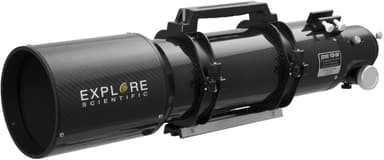
Celestron NexStar Evolution 8 EdgeHD vs Explore Scientific ED102 FCD100
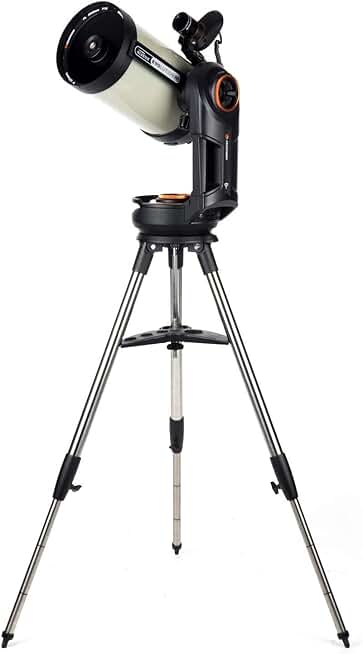
VS
Performance Profile
Score Comparison
Celestron NexStar EvolutionExplore Scientific ED102
Overall
71
40
Value
36
30
Beginner
37
25
Astrophoto
66
39
Portability
17
63
Planetary
69
8
Deep Sky
59
16
Our Take
The Celestron NexStar Evolution 8 EdgeHD is the clear winner for most amateur astronomers, though this decision hinges entirely on your observing priorities and lifestyle. The single most important differentiator is aperture and optical quality versus portability. The Evolution 8's 203mm aperture delivers substantially superior light-gathering power and detail in planetary observation, where it scores 69 versus the ED102's meager 8.
Its GoTo and tracking capabilities add considerable observing convenience. However, the Explore Scientific ED102 FCD100 weighs just 3.2 kg compared to the Evolution 8's 31.3 kg, making it genuinely portable to dark sites. The Evolution 8 suits observers who prioritize optical performance, enjoy planetary viewing, and have stable observing locations; they can absorb the weight penalty.
The ED102 appeals to travel-focused observers and those seeking a lightweight grab-and-go refractor, though you'll sacrifice significant performance. Given the substantial performance gap and modest $450 price difference, the Celestron NexStar Evolution 8 EdgeHD represents better value for stationary or car-dependent observing. Only choose the ED102 if portability is genuinely non-negotiable.
Key Differences
Why choose Celestron NexStar Evolution
- Includes GoTo mount for automatic object finding
- Has tracking capability for astrophotography
- Higher Overall score (71 vs 40)
- Higher Beginner score (37 vs 25)
- Higher Astrophoto score (66 vs 39)
- Higher Planetary score (69 vs 8)
Why choose Explore Scientific ED102
- $449 cheaper
- 28.1kg lighter and more portable
- Faster f/7 for wider field of view
- Higher Portability score (63 vs 17)
Specifications
SpecCelestron NexStar EvolutionExplore Scientific ED102
Optical Specs
Aperture203.2mm-
Focal Length2032mm-
Focal Ratiof/10f/7
Optical DesignSchmidt-Cassegrain-
Mount & Tracking
Mount TypeEquatorialEquatorial
GoToYesNo
TrackingYesNo
Physical
Weight31.3kg3.18kg
Included Accessories
FinderFinder scopeFinder scope
Pricing & Reviews
Price$2699$2250
Amazon Rating3.6 stars2.0 stars
Reviews171
Try these telescopes in our Eyepiece Calculator:
Related Comparisons
Celestron NexStar 8 SE Schmidt-Cassegrain Computerized Telescope with 1.25" Eyep vs Explore Scientific ED102 FCD100Celestron NexStar 8 SE Schmidt-Cassegrain Computerized Telescope with 1.25" Eyep vs Celestron NexStar Evolution 8 EdgeHDCelestron NexStar 8SE vs Explore Scientific ED102 FCD100Celestron Advanced VX 8” EdgeHD Computerized Telescope vs Celestron NexStar Evolution 8 EdgeHDCelestron NexStar Evolution 8 EdgeHD vs Explore Scientific ED102 FCD100Celestron NexStar Evolution 8 EdgeHD vs Celestron NexStar Evolution 9.25