Comparison
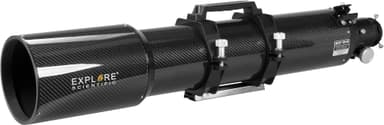
Explore Scientific ED102 FCD100 vs Explore Scientific ED127 FCD100
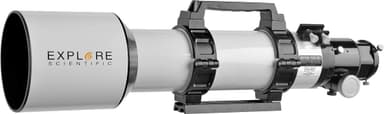
VS
Performance Profile
Score Comparison
Explore Scientific ED102Explore Scientific ED127
Overall
51
57
Value
34
35
Beginner
25
26
Astrophoto
31
46
Portability
61
59
Planetary
34
42
Deep Sky
38
39
Our Take
The Explore Scientific ED127 FCD100 emerges as the better choice for most amateur astronomers, despite being $200 cheaper. Its 25mm larger aperture delivers meaningfully superior light-gathering and resolving power, particularly evident in its astrophotography score of 46 versus the ED102's 31. The equatorial mount, while requiring a learning curve, is far superior for long-exposure imaging and tracking celestial objects, making it the clear advantage for serious imaging work.
The ED102 FCD100 trades performance for portability, but the weight difference of just 1.4kg hardly justifies the compromises elsewhere. The single differentiator is the mount type; equatorial mounts fundamentally change what you can accomplish with long-exposure astronomy, while alt-az mounts suit visual observation and casual use. The Explore Scientific ED102 FCD100 suits visual observers prioritizing portability and ease of use, while those planning any astrophotography or seeking deeper aperture benefits should choose the Explore Scientific ED127 FCD100.
For most dedicated amateur astronomers willing to invest at this price point, the ED127's larger aperture, superior optical performance, and equatorial mount justify the slightly higher portability cost.
Key Differences
Why choose Explore Scientific ED102
- 1.4kg lighter and more portable
- Higher Amazon rating (5.0 vs 2.3 stars)
Why choose Explore Scientific ED127
- 127mm aperture gathers more light than 102mm
- $200 cheaper
- Higher Astrophoto score (46 vs 31)
Specifications
SpecExplore Scientific ED102Explore Scientific ED127
Optical Specs
Aperture102mm127mm
Focal Length-952mm
Focal Ratiof/7f/7.5
CoatingMulti-Coated-
Mount & Tracking
Mount TypeAlt-AzEquatorial
GoToNoNo
TrackingNoNo
Physical
Weight4.94kg6.35kg
Included Accessories
FinderFinder scopeFinder scope
Pricing & Reviews
Price$1800$1600
Amazon Rating5.0 stars2.3 stars
Reviews12
Try these telescopes in our Eyepiece Calculator:
Related Comparisons
Celestron NexStar 8 SE Schmidt-Cassegrain Computerized Telescope with 1.25" Eyep vs Explore Scientific ED127 FCD100Celestron NexStar 8SE vs Explore Scientific ED102 FCD100Explore Scientific ED127 FCD100 vs Explore Scientific ED127 FCD100Celestron NexStar Evolution 8 vs Explore Scientific ED127 FCD100Celestron EdgeHD 800 OTA vs Explore Scientific ED127 FCD100Celestron NexStar 8 SE Schmidt-Cassegrain Computerized Telescope with 1.25" Eyep vs Explore Scientific ED102 FCD100