Comparison
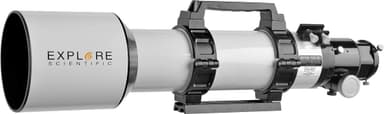
Celestron NexStar 8 SE Schmidt-Cassegrain Computerized Telescope with 1.25" Eyep vs Explore Scientific ED102 FCD100
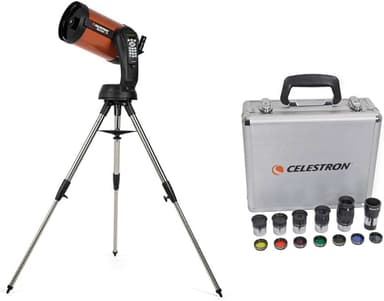
VS
Performance Profile
Score Comparison
Celestron NexStar 8Explore Scientific ED102
Overall
60
51
Value
39
34
Beginner
39
25
Astrophoto
38
31
Portability
30
61
Planetary
53
34
Deep Sky
47
38
Our Take
The Celestron NexStar 8 SE Schmidt-Cassegrain emerges as the clear winner for most amateur astronomers, though the choice genuinely depends on your priorities. The single most important differentiator is aperture versus portability. The Celestron NexStar 8 SE's 203mm aperture provides substantially superior light gathering and resolving power, while the Explore Scientific ED102 FCD100's 4.94kg weight makes it genuinely portable for field observing.
The Celestron NexStar 8 SE suits observers who prioritize deep sky detail, planetary observation, and who have stable observing locations; its GoTo system and optical quality justify the investment. The Explore Scientific ED102 FCD100 belongs with travel-focused observers or those prioritizing accessibility and ease of transport over raw aperture. If you observe from a fixed location and value optical performance, the Celestron NexStar 8 SE's superior overall score of 60 versus 51 reflects its genuine advantages in nearly every category except portability.
However, if you frequently relocate your observing or struggle with equipment weight, the ED102's 61 portability score and negligible setup requirements make it the more practical choice despite lower absolute performance.
Key Differences
Why choose Celestron NexStar 8
- 203.2mm aperture gathers more light than 102mm
- Includes GoTo mount for automatic object finding
- Higher Beginner score (39 vs 25)
- Higher Planetary score (53 vs 34)
- 88 Amazon reviews vs 1
Why choose Explore Scientific ED102
- 19.3kg lighter and more portable
- Higher Portability score (61 vs 30)
- Higher Amazon rating (5.0 vs 4.5 stars)
Specifications
SpecCelestron NexStar 8Explore Scientific ED102
Optical Specs
Aperture203.2mm102mm
Focal Ratio-f/7
Optical DesignSchmidt-Cassegrain-
Coating-Multi-Coated
Mount & Tracking
Mount TypeForkAlt-Az
GoToYesNo
TrackingNoNo
Physical
Weight24.22kg4.94kg
Included Accessories
FinderStarPointerFinder scope
Pricing & Reviews
Price$1799$1800
Amazon Rating4.5 stars5.0 stars
Reviews881
Related Comparisons
Celestron NexStar 8 SE Schmidt-Cassegrain Computerized Telescope with 1.25" Eyep vs Celestron NexStar 8SECelestron Advanced VX 6" SCT vs Celestron NexStar 8 SE Schmidt-Cassegrain Computerized Telescope with 1.25" EyepCelestron NexStar 8 SE Schmidt-Cassegrain Computerized Telescope with 1.25" Eyep vs Explore Scientific ED102 FCD100Celestron NexStar 8 SE Schmidt-Cassegrain Computerized Telescope with 1.25" Eyep vs Celestron NexStar Evolution 8 EdgeHDCelestron Advanced VX 8" SCT vs Celestron NexStar 8 SE Schmidt-Cassegrain Computerized Telescope with 1.25" EyepCelestron NexStar 8 SE Schmidt-Cassegrain Computerized Telescope with 1.25" Eyep vs Sky-Watcher EvoStar 100 APO Doublet Refractor