Comparison
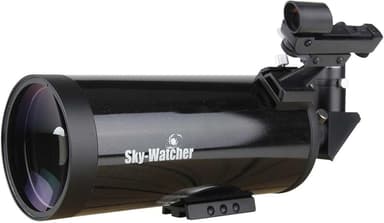
Celestron StarSense Explorer DX 5" SCT vs Sky-Watcher SkyMax 102
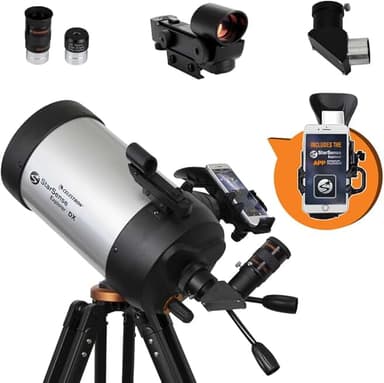
VS
Performance Profile
Score Comparison
Celestron StarSense ExplorerSky-Watcher SkyMax 102
Overall
68
60
Value
56
63
Beginner
38
40
Astrophoto
42
20
Portability
59
64
Planetary
56
52
Deep Sky
45
30
Our Take
The Celestron StarSense Explorer DX 5" SCT emerges as the superior choice for most amateur astronomers, though the winner depends on your priorities and budget. The single most important differentiator is aperture; the Celestron's 127mm opening versus the Sky-Watcher's 102mm translates to 55 percent more light-gathering power, delivering noticeably brighter views and better detail on deep sky objects and planets. The Celestron scores significantly higher across nearly every category, particularly in planetary observation (56 vs 52), deep sky viewing (45 vs 30), and astrophotography potential (42 vs 20), though both struggle with astrophoto work due to their Alt-Az mounts and lack of computerized equatorial tracking.
The Sky-Watcher SkyMax 102 justifies consideration only if portability and budget are your overriding concerns; its dramatic weight advantage (2.09kg versus 6.62kg) and lower price make it excellent for travelers or those building a collection on a tight budget. Buy the Celestron StarSense Explorer DX 5" SCT if you want serious observing performance and plan to use your telescope regularly from a home location. Buy the Sky-Watcher SkyMax 102 if you frequently travel or hike to dark skies and need something easily portable.
The Celestron represents better long-term value despite its higher cost.
Key Differences
Why choose Celestron StarSense Explorer
- 127mm aperture gathers more light than 102mm
- Has tracking capability for astrophotography
- Faster f/9.8 for wider field of view
- Higher Astrophoto score (42 vs 20)
- Higher Deep Sky score (45 vs 30)
- 1,550 Amazon reviews vs 104
Why choose Sky-Watcher SkyMax 102
- $225 cheaper
- 4.5kg lighter and more portable
- Higher Amazon rating (4.5 vs 4.1 stars)
Specifications
SpecCelestron StarSense ExplorerSky-Watcher SkyMax 102
Optical Specs
Aperture127mm102mm
Focal Length1250mm1300mm
Focal Ratiof/9.8f/12.7
Optical DesignSchmidt-CassegrainMaksutov-Cassegrain
Mount & Tracking
Mount TypeAlt-AzAlt-Az
GoToNoNo
TrackingYesNo
Physical
Weight6.62kg2.09kg
Included Accessories
FinderRed dot finderRed dot finder
Pricing & Reviews
Price$580$355
Amazon Rating4.1 stars4.5 stars
Reviews1,550104
Try these telescopes in our Eyepiece Calculator:
Related Comparisons
Celestron StarSense Explorer DX 5" SCT vs Sky-Watcher Quattro 150P Imaging NewtonianSky-Watcher Sky-Watcher EvoGuide 50DX – 50mm Guide Scope APO Doublet Refractor – vs Sky-Watcher SkyMax 102Celestron NexStar 5SE vs Celestron StarSense Explorer DX 5" SCTCelestron NexStar 127SLT vs Celestron StarSense Explorer DX 5" SCTCelestron NexStar Evolution 9.25 vs Celestron StarSense Explorer DX 5" SCTCelestron StarSense Explorer DX 5" SCT vs SVBONY SV550 80mm APO Triplet