Comparison
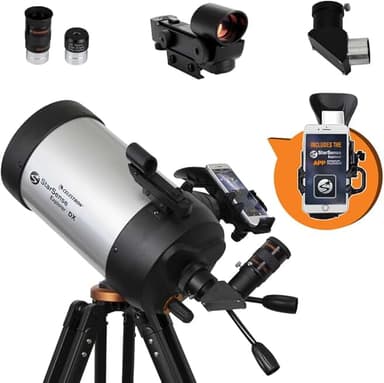
Celestron NexStar 127SLT vs Celestron StarSense Explorer DX 5" SCT
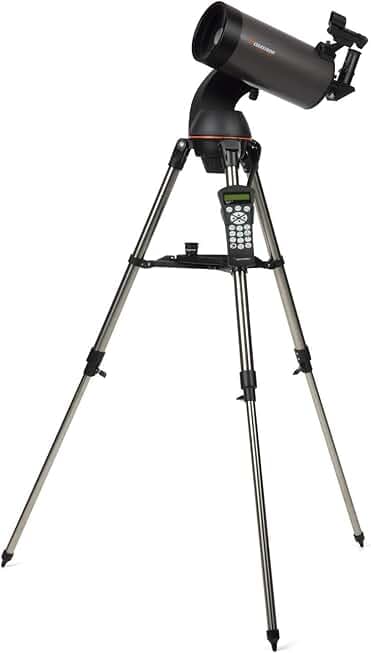
VS
Performance Profile
Score Comparison
Celestron NexStar 127SLTCelestron StarSense Explorer
Overall
79
68
Value
62
56
Beginner
55
38
Astrophoto
54
42
Portability
57
59
Planetary
66
56
Deep Sky
51
45
Our Take
The Celestron NexStar 127SLT wins this matchup for most amateur astronomers. Both scopes share identical 127mm apertures, but the NexStar's longer focal length delivers superior planetary views and better light-gathering efficiency at f/11.8. Its computerized fork mount with GoTo capability outperforms the StarSense Explorer's manual alt-az mount, particularly for users who value convenience and tracking consistency.
The NexStar also scores notably higher across nearly every category: 80/100 overall versus 68/100, with meaningful advantages in planetary observation and deep sky performance. The single most important differentiator is the mount system. The NexStar's computerized fork mount with full GoTo and automated tracking transforms the observing experience, whereas the StarSense Explorer requires manual pointing and tracking adjustments.
While the StarSense Explorer weighs less and costs slightly less, these modest advantages don't compensate for reduced functionality and lower optical performance. Buy the NexStar 127SLT if you want the best all-around performance and automated GoTo convenience. Choose the StarSense Explorer only if extreme portability and simplicity are your priorities over observing quality.
Key Differences
Why choose Celestron NexStar 127SLT
- Includes GoTo mount for automatic object finding
- Higher Overall score (79 vs 68)
- Higher Beginner score (55 vs 38)
- Higher Astrophoto score (54 vs 42)
Why choose Celestron StarSense Explorer
- $70 cheaper
- 1.6kg lighter and more portable
- Faster f/9.8 for wider field of view
Specifications
SpecCelestron NexStar 127SLTCelestron StarSense Explorer
Optical Specs
Aperture127mm127mm
Focal Length1500mm1250mm
Focal Ratiof/11.8f/9.8
Optical DesignMaksutov-CassegrainSchmidt-Cassegrain
Mount & Tracking
Mount TypeForkAlt-Az
GoToYesNo
TrackingYesYes
Physical
Weight8.21kg6.62kg
Included Accessories
FinderStarPointerRed dot finder
Pricing & Reviews
Price$650$580
Amazon Rating4.2 stars4.1 stars
Reviews1,1851,550
Try these telescopes in our Eyepiece Calculator:
Related Comparisons
Celestron NexStar 127SLT vs Sky-Watcher Quattro 150P Imaging NewtonianCelestron StarSense Explorer DX 5" SCT vs Sky-Watcher Quattro 150P Imaging NewtonianCelestron NexStar 5SE vs Celestron StarSense Explorer DX 5" SCTCelestron NexStar 127SLT vs Sky-Watcher SkyMax 102Celestron NexStar 127SLT vs Celestron NexStar Evolution 9.25Celestron NexStar Evolution 9.25 vs Celestron StarSense Explorer DX 5" SCT