Comparison
Celestron NexStar Evolution 9.25 vs Unistellar Equinox 2
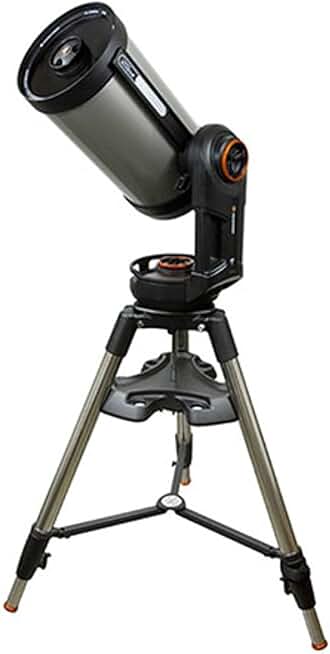
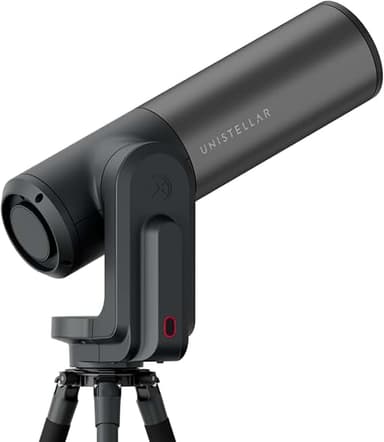
VS
Performance Profile
Score Comparison
Celestron NexStar EvolutionUnistellar Equinox 2
Overall
74
82
Value
37
38
Beginner
45
61
Astrophoto
51
73
Portability
44
65
Planetary
72
49
Deep Sky
62
70
Our Take
It depends on your priorities. The Celestron NexStar Evolution 9.25 excels at planetary observation and deep sky work with its larger 235mm aperture, while the Unistellar Equinox 2 leverages smart technology and portability to deliver better overall versatility and image processing capabilities. The single most important differentiator is aperture versus technology. The Celestron's 9.25-inch mirror gathers significantly more light for traditional viewing, but the Unistellar's built-in AI enhancement, image stacking, and eye-tracking system fundamentally change how you observe, particularly benefiting astrophotography and casual stargazing.
Buy the Celestron NexStar Evolution 9.25 if you're committed to planetary observation and comfortable with a heavier, less portable scope that rewards you with superior optical performance. Buy the Unistellar Equinox 2 if you value portability, ease of use, and want enhanced views through computational assistance rather than raw aperture. The Unistellar Equinox 2 edges out the Celestron with an 83 overall score versus 74, making it the better choice for most amateur astronomers balancing performance with practicality.
However, if planetary detail is your primary goal and you have transportation and setup space, the Celestron's optical advantage justifies the investment.
Key Differences
Why choose Celestron NexStar Evolution
- 235mm aperture gathers more light than 114mm
- Higher Planetary score (72 vs 49)
Why choose Unistellar Equinox 2
- 7.3kg lighter and more portable
- Smart telescope with app control and live stacking
- Faster f/4 for wider field of view
- Higher Beginner score (61 vs 45)
- Higher Astrophoto score (73 vs 51)
- Higher Portability score (65 vs 44)
Specifications
SpecCelestron NexStar EvolutionUnistellar Equinox 2
Optical Specs
Aperture235mm114mm
Focal Length2350mm450mm
Focal Ratiof/10f/4
Optical DesignSchmidt-Cassegrain-
Mount & Tracking
Mount TypeAlt-AzAlt-Az
GoToYesYes
TrackingYesYes
Physical
Weight16.33kg9kg
Included Accessories
FinderStarPointerFinder scope
Pricing & Reviews
Price$2499$2464
Amazon Rating3.4 stars3.4 stars
Reviews4223
Try these telescopes in our Eyepiece Calculator:
Related Comparisons
Celestron NexStar Evolution 8 vs Unistellar Equinox 2Unistellar Equinox 2 vs Unistellar OdysseyCelestron Advanced VX 7" Mak vs Unistellar Equinox 2Celestron NexStar Evolution 8 EdgeHD vs Celestron NexStar Evolution 9.25Celestron Advanced VX 8” EdgeHD Computerized Telescope vs Unistellar Equinox 2Celestron Advanced VX 8” EdgeHD Computerized Telescope vs Celestron NexStar Evolution 9.25