Comparison
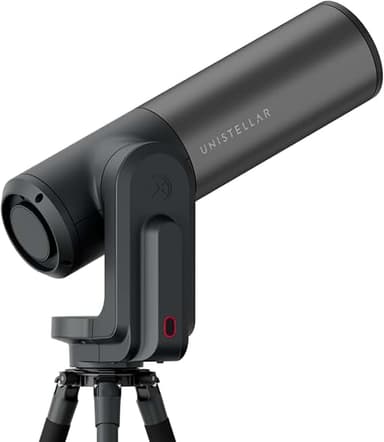
Celestron NexStar Evolution 8 vs Unistellar Equinox 2
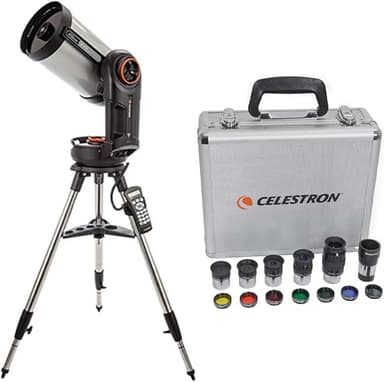
VS
Performance Profile
Score Comparison
Celestron NexStar EvolutionUnistellar Equinox 2
Overall
70
82
Value
39
38
Beginner
37
61
Astrophoto
59
73
Portability
17
65
Planetary
69
49
Deep Sky
59
70
Our Take
The Unistellar Equinox 2 is the winner for most amateur astronomers, though the choice ultimately depends on your priorities. The single most important differentiator is aperture versus convenience; the Celestron NexStar Evolution 8's nearly 8-inch mirror delivers superior light-gathering and planetary detail, while the Unistellar Equinox 2's integrated smart features, portability, and computer vision technology make observing accessible and enjoyable for casual users. Buy the Celestron NexStar Evolution 8 if you prioritize pure optical performance and will tolerate its 31kg weight for planetary viewing and brighter deep sky objects.
Buy the Unistellar Equinox 2 if you value portability, automated target identification, enhanced astrophotography, and deep sky observation over raw aperture. The Equinox 2's higher overall score reflects modern observing trends; its advanced software compensates for smaller aperture, making it ideal for suburban observers who won't transport a garage-sized scope. However, dark-sky purists with permanent setups should choose the Celestron for unmatched planetary contrast and traditional observing satisfaction.
The Equinox 2's $900 premium is justified by versatility; the Celestron offers better value only if you'll actually use its superior aperture regularly.
Key Differences
Why choose Celestron NexStar Evolution
- 203.2mm aperture gathers more light than 114mm
- $464 cheaper
- Higher Planetary score (69 vs 49)
- Higher Amazon rating (4.3 vs 3.4 stars)
Why choose Unistellar Equinox 2
- 22.3kg lighter and more portable
- Smart telescope with app control and live stacking
- Faster f/4 for wider field of view
- Higher Overall score (82 vs 70)
- Higher Beginner score (61 vs 37)
- Higher Astrophoto score (73 vs 59)
Specifications
SpecCelestron NexStar EvolutionUnistellar Equinox 2
Optical Specs
Aperture203.2mm114mm
Focal Length2032mm450mm
Focal Ratiof/10f/4
Optical DesignSchmidt-Cassegrain-
Mount & Tracking
Mount TypeForkAlt-Az
GoToYesYes
TrackingYesYes
Physical
Weight31.3kg9kg
Included Accessories
FinderFinder scopeFinder scope
Pricing & Reviews
Price$2000$2464
Amazon Rating4.3 stars3.4 stars
Reviews1723
Try these telescopes in our Eyepiece Calculator:
Related Comparisons
Unistellar Equinox 2 vs Unistellar OdysseyCelestron Advanced VX 7" Mak vs Unistellar Equinox 2Celestron NexStar Evolution 6 vs Celestron NexStar Evolution 8Celestron NexStar 8SE vs Celestron NexStar Evolution 8Celestron NexStar 6SE vs Celestron NexStar Evolution 8Celestron NexStar Evolution 8 vs Celestron NexStar Evolution 9.25