Comparison
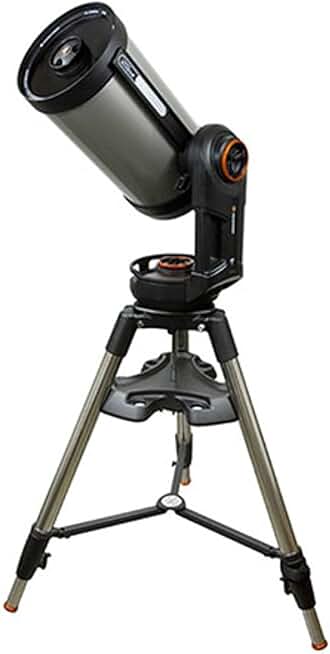
Celestron Advanced VX 8” EdgeHD Computerized Telescope vs Celestron NexStar Evolution 9.25
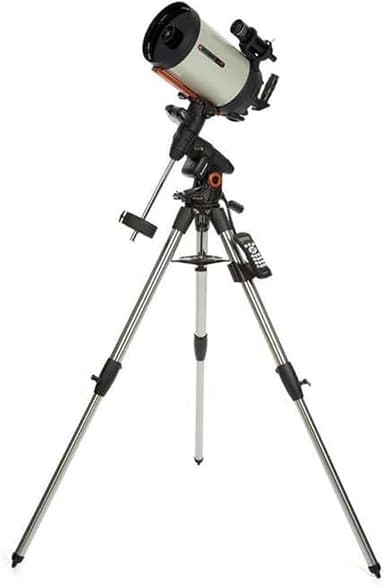
VS
Performance Profile
Score Comparison
Celestron Advanced VXCelestron NexStar Evolution
Overall
68
74
Value
35
37
Beginner
37
45
Astrophoto
66
51
Portability
15
44
Planetary
57
72
Deep Sky
59
62
Our Take
The Celestron NexStar Evolution 9.25 is the winner for most amateur astronomers. The single most important differentiator is portability; at 16.33kg versus 38.51kg, the Evolution 9.25 is genuinely transportable to dark sites, while the Advanced VX 8" EdgeHD requires serious commitment to moving. Despite having a smaller aperture, the Evolution 9.25 scores higher overall (74 versus 68) and particularly excels at planetary observation (72 versus 57), where its larger 235mm aperture shines.
It also costs $300 less. The Advanced VX 8" EdgeHD wins only if you prioritize astrophotography from a fixed location; its equatorial mount and superior tracking (66 versus 51 astrophoto score) justify staying put. The mount's stability for long exposures cannot be replicated by the Evolution's alt-az design. The Celestron NexStar Evolution 9.25 suits observers who want genuine portability without sacrificing aperture or planetary performance.
The Celestron Advanced VX 8" EdgeHD belongs in a permanent observatory or dedicated setup where weight becomes irrelevant. Choose the Evolution 9.25 unless your primary goal is serious astrophotography, in which case accept the Advanced VX's weight penalty as the cost of superior image capture capability.
Key Differences
Why choose Celestron Advanced VX
- Higher Astrophoto score (66 vs 51)
- Higher Amazon rating (3.9 vs 3.4 stars)
Why choose Celestron NexStar Evolution
- 235mm aperture gathers more light than 203.2mm
- $580 cheaper
- 22.2kg lighter and more portable
- Higher Portability score (44 vs 15)
- Higher Planetary score (72 vs 57)
- 42 Amazon reviews vs 19
Specifications
SpecCelestron Advanced VXCelestron NexStar Evolution
Optical Specs
Aperture203.2mm235mm
Focal Length-2350mm
Focal Ratiof/10f/10
Optical DesignSchmidt-CassegrainSchmidt-Cassegrain
Mount & Tracking
Mount TypeEquatorialAlt-Az
GoToYesYes
TrackingYesYes
Physical
Weight38.51kg16.33kg
Included Accessories
FinderFinder scopeStarPointer
Pricing & Reviews
Price$3079$2499
Amazon Rating3.9 stars3.4 stars
Reviews1942
Try these telescopes in our Eyepiece Calculator:
Related Comparisons
Celestron Advanced VX 8” EdgeHD Computerized Telescope vs Unistellar OdysseyCelestron Advanced VX 8” EdgeHD Computerized Telescope vs Celestron NexStar Evolution 8 EdgeHDCelestron Advanced VX 8” EdgeHD Computerized Telescope vs Celestron EdgeHD 925 OTACelestron NexStar Evolution 8 EdgeHD vs Celestron NexStar Evolution 9.25Celestron Advanced VX 8” EdgeHD Computerized Telescope vs Unistellar Equinox 2Celestron Advanced VX 8” EdgeHD Computerized Telescope vs Celestron Origin