Comparison
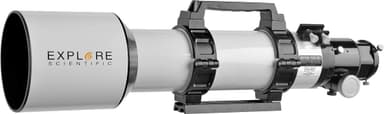
Celestron NexStar Evolution 9.25 vs Explore Scientific ED102 FCD100
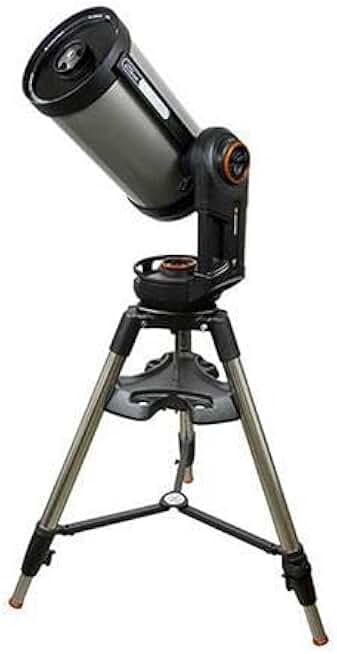
VS
Performance Profile
Score Comparison
Celestron NexStar EvolutionExplore Scientific ED102
Overall
71
51
Value
37
34
Beginner
37
25
Astrophoto
59
31
Portability
15
61
Planetary
72
34
Deep Sky
62
38
Our Take
The Celestron NexStar Evolution 9.25 is the clear winner for most amateur astronomers, though this verdict depends entirely on your observing priorities and lifestyle. The single most important differentiator is aperture versus portability. The Celestron's 235mm aperture delivers dramatically superior light-gathering power and resolution, scoring significantly higher across planetary, deep sky, and astrophotography work. The Explore Scientific ED102 FCD100, by contrast, sacrifices optical performance for a compact 4.94kg design that fits in a car trunk.
The Celestron weighs nearly 40kg and requires serious transport infrastructure. The Celestron NexStar Evolution 9.25 suits astronomers with dedicated observation spaces who prioritize detailed planetary views and faint deep-sky objects. The Explore Scientific ED102 FCD100 is better for observers who hike to dark sites, travel frequently, or value ease of setup over optical depth. The Celestron's GoTo mount, superior optics, and 20-point overall score advantage make it the stronger investment if you can manage its weight and space requirements.
However, if portability determines whether you'll actually use your telescope regularly, the ED102's compact design and respectable optical quality justify its lower price. Choose based on your realistic observing habits, not aspirational ones.
Key Differences
Why choose Celestron NexStar Evolution
- 235mm aperture gathers more light than 102mm
- Includes GoTo mount for automatic object finding
- Has tracking capability for astrophotography
- Higher Overall score (71 vs 51)
- Higher Beginner score (37 vs 25)
- Higher Astrophoto score (59 vs 31)
Why choose Explore Scientific ED102
- $799 cheaper
- 34.7kg lighter and more portable
- Faster f/7 for wider field of view
- Higher Portability score (61 vs 15)
- Higher Amazon rating (5.0 vs 4.0 stars)
Specifications
SpecCelestron NexStar EvolutionExplore Scientific ED102
Optical Specs
Aperture235mm102mm
Focal Length2350mm-
Focal Ratiof/10f/7
Optical DesignSchmidt-Cassegrain-
Coating-Multi-Coated
Mount & Tracking
Mount TypeForkAlt-Az
GoToYesNo
TrackingYesNo
Physical
Weight39.64kg4.94kg
Included Accessories
FinderFinder scopeFinder scope
Pricing & Reviews
Price$2599$1800
Amazon Rating4.0 stars5.0 stars
Reviews171
Try these telescopes in our Eyepiece Calculator:
Related Comparisons
Celestron CGX 1100 vs Celestron NexStar Evolution 9.25Celestron NexStar 8SE vs Celestron NexStar Evolution 9.25Explore Scientific ED102 FCD100 vs Explore Scientific ED127 FCD100Celestron NexStar 8SE vs Explore Scientific ED102 FCD100Celestron Advanced VX 8” EdgeHD Computerized Telescope vs Celestron NexStar Evolution 9.25Celestron NexStar Evolution 9.25 vs Unistellar Equinox 2