Comparison
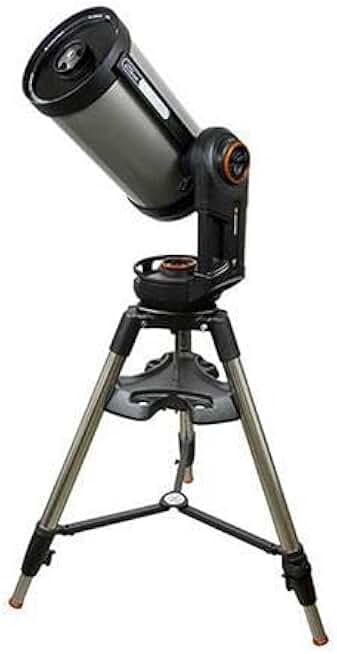
Celestron NexStar 8SE vs Celestron NexStar Evolution 9.25
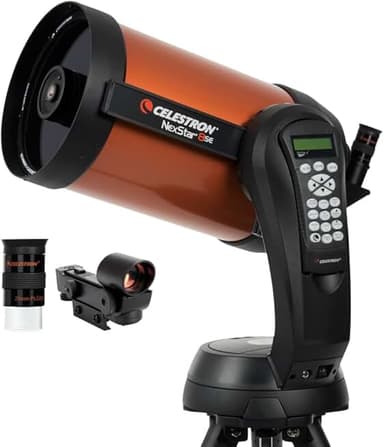
VS
Performance Profile
Score Comparison
Celestron NexStar 8SECelestron NexStar Evolution
Overall
80
71
Value
42
37
Beginner
52
37
Astrophoto
61
59
Portability
53
15
Planetary
71
72
Deep Sky
61
62
Our Take
The Celestron NexStar 8SE emerges as the better choice for most amateur astronomers. While the NexStar Evolution 9.25 offers a larger 235mm aperture, the 8SE delivers superior overall performance at a significantly lower price point with considerably better portability. The critical differentiator is practicality; the Evolution 9.25 weighs nearly 40kg and scores only 15/100 for portability, making it a permanent observatory installation rather than a transportable instrument.
The 8SE's 10.84kg frame means you'll actually use it regularly, which matters far more than incremental light-gathering gains. The 8SE's beginner score of 52/100 versus the Evolution's 37/100 also reflects its more forgiving learning curve. Both excel at planetary observation with nearly identical scores, though the Evolution captures marginally more light for deep sky work.
The Celestron NexStar 8SE suits observers prioritizing versatility, ease of transport, and value, while the NexStar Evolution 9.25 belongs only with dedicated deep sky enthusiasts committed to a fixed observing location. For nearly everyone else, the 8SE offers the optimal balance of capability and usability at $900 less.
Key Differences
Why choose Celestron NexStar 8SE
- $900 cheaper
- 28.8kg lighter and more portable
- Higher Beginner score (52 vs 37)
- Higher Portability score (53 vs 15)
- Higher Amazon rating (4.4 vs 4.0 stars)
- 2,493 Amazon reviews vs 17
Why choose Celestron NexStar Evolution
- 235mm aperture gathers more light than 203.2mm
Specifications
SpecCelestron NexStar 8SECelestron NexStar Evolution
Optical Specs
Aperture203.2mm235mm
Focal Length2032mm2350mm
Focal Ratiof/10f/10
Optical DesignSchmidt-CassegrainSchmidt-Cassegrain
Mount & Tracking
Mount TypeForkFork
GoToYesYes
TrackingYesYes
Physical
Weight10.84kg39.64kg
Included Accessories
FinderStarPointerFinder scope
Pricing & Reviews
Price$1699$2599
Amazon Rating4.4 stars4.0 stars
Reviews2,49317
Try these telescopes in our Eyepiece Calculator:
Related Comparisons
Celestron NexStar 8SE vs Explore Scientific ED102 FCD100Celestron CGX 1100 vs Celestron NexStar Evolution 9.25Celestron NexStar 8SE vs Explore Scientific ED102 FCD100Celestron NexStar 8SE vs Vaonis Vespera II Exploration StationCelestron NexStar 8 SE Schmidt-Cassegrain Computerized Telescope with 1.25" Eyep vs Celestron NexStar 8SECelestron NexStar 8SE vs Celestron NexStar Evolution 9.25