Comparison
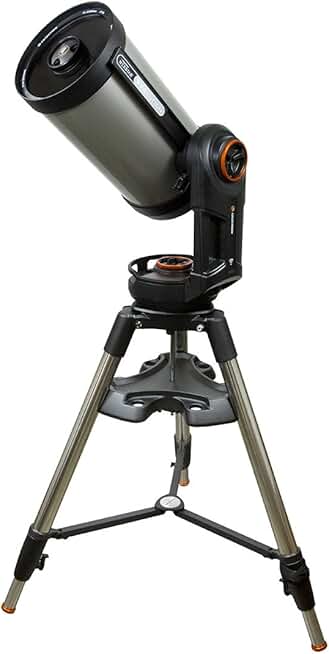
Celestron NexStar 8SE vs Celestron NexStar Evolution 9.25
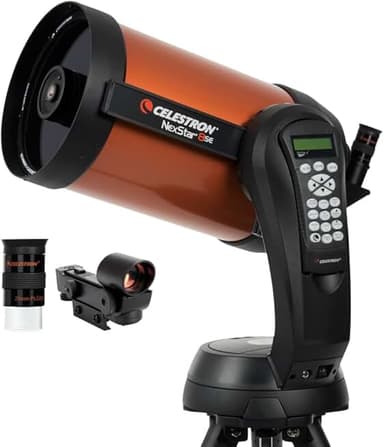
VS
Performance Profile
Score Comparison
Celestron NexStar 8SECelestron NexStar Evolution
Overall
80
74
Value
42
50
Beginner
52
38
Astrophoto
61
50
Portability
53
35
Planetary
71
74
Deep Sky
61
61
Our Take
The winner depends entirely on your observing habits. The Celestron NexStar 8SE excels as the more versatile instrument with superior overall performance, stronger beginner scores, and significantly better portability at half the weight. However, the Celestron NexStar Evolution 9.25 delivers more light-gathering power through its larger 235mm aperture, which visibly improves planetary detail and deep sky performance at a lower price point.
The single most important differentiator is aperture versus portability. The Evolution's 9.25-inch mirror captures roughly 35 percent more light than the 8SE's 8-inch optic, translating to noticeably brighter views of faint objects and sharper planetary imagery. Conversely, the 8SE's 10.84kg frame versus the Evolution's 21.77kg makes the difference between telescope observing and telescope hauling.
Buy the Celestron NexStar 8SE if you frequently transport your scope or prioritize ease of use for learning the night sky. Choose the Celestron NexStar Evolution 9.25 if you observe regularly from a fixed location and want maximum aperture on a tight budget. For most amateur astronomers, the NexStar 8SE edges ahead due to its balanced capabilities and practical handling, though serious planetary observers with a dedicated observing site should embrace the Evolution's superior light-gathering.
Key Differences
Why choose Celestron NexStar 8SE
- 10.9kg lighter and more portable
- Higher Beginner score (52 vs 38)
- Higher Astrophoto score (61 vs 50)
- Higher Portability score (53 vs 35)
Why choose Celestron NexStar Evolution
- 235mm aperture gathers more light than 203.2mm
- $690 cheaper
Specifications
SpecCelestron NexStar 8SECelestron NexStar Evolution
Optical Specs
Aperture203.2mm235mm
Focal Length2032mm2350mm
Focal Ratiof/10f/10
Optical DesignSchmidt-CassegrainSchmidt-Cassegrain
Coating-Multi-Coated
Mount & Tracking
Mount TypeForkAlt-Az
GoToYesYes
TrackingYesYes
Physical
Weight10.84kg21.77kg
Included Accessories
FinderStarPointer-
Pricing & Reviews
Price$1699$1009
Amazon Rating4.4 stars-
Reviews2,493-
Try these telescopes in our Eyepiece Calculator:
Related Comparisons
Celestron NexStar 6SE vs Celestron NexStar Evolution 9.25Celestron NexStar Evolution 9.25 vs Sky-Watcher SkyMax 127Celestron NexStar 8SE vs Explore Scientific ED102 FCD100Celestron NexStar 8SE vs Celestron NexStar Evolution 9.25Celestron NexStar 8SE vs Explore Scientific ED102 FCD100Celestron NexStar 8SE vs Vaonis Vespera II Exploration Station