Comparison
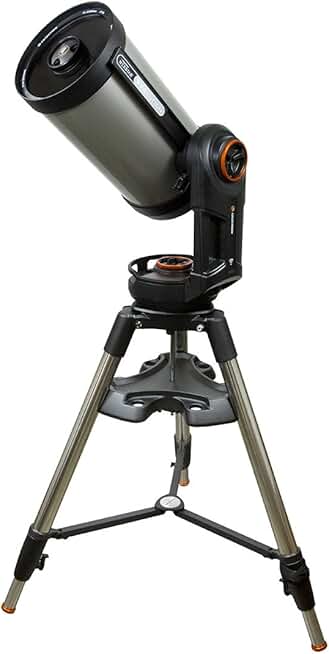
Celestron NexStar 6SE vs Celestron NexStar Evolution 9.25
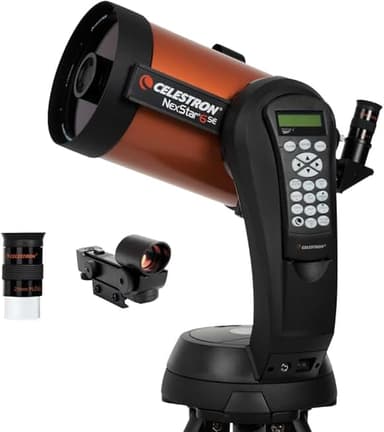
VS
Performance Profile
Score Comparison
Celestron NexStar 6SECelestron NexStar Evolution
Overall
78
74
Value
46
50
Beginner
53
38
Astrophoto
60
50
Portability
55
35
Planetary
66
74
Deep Sky
57
61
Our Take
The winner depends entirely on your observing style and physical circumstances. The Celestron NexStar 6SE excels for observers who prioritize portability and beginner-friendliness, while the Celestron NexStar Evolution 9.25 dominates for serious planetary observers willing to sacrifice mobility. The single most important differentiator is aperture; the Evolution's 235mm mirror gathers 60 percent more light than the 6SE's 152mm, delivering dramatically superior planetary detail and deep sky performance.
However, this advantage comes with significant weight and complexity penalties. The Celestron NexStar 6SE suits observers with limited storage space, frequent travel plans, or those new to computerized mounts. The Celestron NexStar Evolution 9.25 belongs with dedicated planetary enthusiasts and those with permanent observing locations who can manage a 22kg scope.
If you'll observe from your backyard regularly and want the sharpest planetary views possible, the Evolution justifies its larger footprint. If flexibility and ease matter more than raw aperture, the 6SE remains the smarter choice despite lower scores.
Key Differences
Why choose Celestron NexStar 6SE
- 12.2kg lighter and more portable
- Higher Beginner score (53 vs 38)
- Higher Portability score (55 vs 35)
Why choose Celestron NexStar Evolution
- 235mm aperture gathers more light than 152.4mm
- $190 cheaper
Specifications
SpecCelestron NexStar 6SECelestron NexStar Evolution
Optical Specs
Aperture152.4mm235mm
Focal Length1500mm2350mm
Focal Ratiof/10f/10
Optical DesignSchmidt-CassegrainSchmidt-Cassegrain
Coating-Multi-Coated
Mount & Tracking
Mount TypeForkAlt-Az
GoToYesYes
TrackingYesYes
Physical
Weight9.53kg21.77kg
Included Accessories
FinderStarPointer-
Pricing & Reviews
Price$1199$1009
Amazon Rating4.4 stars-
Reviews2,493-
Try these telescopes in our Eyepiece Calculator:
Related Comparisons
Celestron NexStar Evolution 9.25 vs Sky-Watcher SkyMax 127Askar SQA55 Telescope 55mm Aperture F4.8 Quintuplet Air-Spaced SD Glass Petzval vs Celestron NexStar 6SECelestron NexStar Evolution 9.25 vs Sky-Watcher Quattro 150P Imaging NewtonianCelestron NexStar 8 SE Schmidt-Cassegrain Computerized Telescope with 1.25" Eyep vs Celestron NexStar Evolution 9.25Celestron NexStar 5SE vs Celestron NexStar Evolution 9.25Celestron NexStar Evolution 6 vs Celestron NexStar Evolution 9.25