Comparison
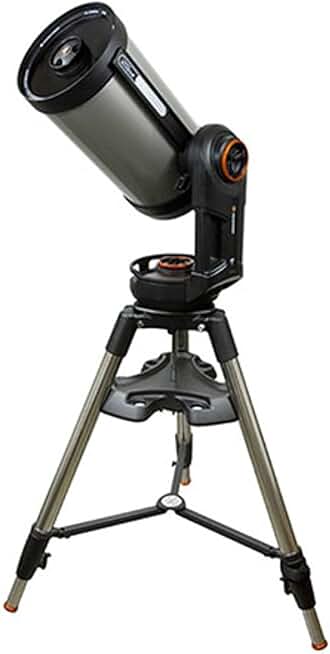
Celestron NexStar 8SE vs Celestron NexStar Evolution 9.25
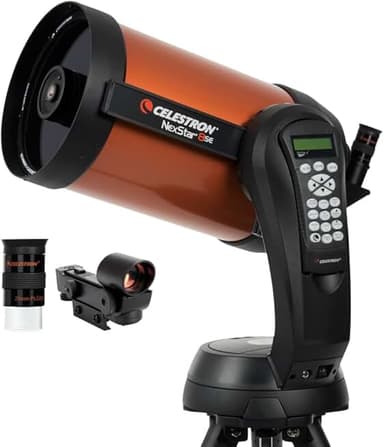
VS
Performance Profile
Score Comparison
Celestron NexStar 8SECelestron NexStar Evolution
Overall
80
74
Value
42
37
Beginner
52
45
Astrophoto
61
51
Portability
53
44
Planetary
71
72
Deep Sky
61
62
Our Take
The Celestron NexStar 8SE is the better choice for most amateur astronomers. While the Evolution 9.25 offers slightly larger aperture, it carries significant practical disadvantages that outweigh its marginal optical gains. The 8SE's superior beginner score (52 versus 45) reflects its more intuitive operation and lighter weight of just 10.84kg compared to 16.33kg, making setup and transport genuinely manageable. Its higher overall score (80 versus 74) stems from better value proposition and usability across multiple observing styles.
The single most important differentiator is portability. The Evolution 9.25's weight and bulk make it a commitment; the 8SE invites regular use. Both excel equally at planetary observation (scores within one point), and the 8SE's performance on deep-sky objects and astrophotography remains competitive despite lower absolute scores. The Celestron NexStar 8SE suits observers who want serious aperture without sacrificing flexibility and frequent observing sessions.
The Celestron NexStar Evolution 9.25 appeals only to committed deep-sky observers with dedicated dark-sky sites who can justify its $800 premium and weight penalty. Choose the 8SE unless you have a specific dark-sky location and prioritize maximum aperture above all else.
Key Differences
Why choose Celestron NexStar 8SE
- $800 cheaper
- 5.5kg lighter and more portable
- Higher Amazon rating (4.4 vs 3.4 stars)
- 2,493 Amazon reviews vs 42
Why choose Celestron NexStar Evolution
- 235mm aperture gathers more light than 203.2mm
Specifications
SpecCelestron NexStar 8SECelestron NexStar Evolution
Optical Specs
Aperture203.2mm235mm
Focal Length2032mm2350mm
Focal Ratiof/10f/10
Optical DesignSchmidt-CassegrainSchmidt-Cassegrain
Mount & Tracking
Mount TypeForkAlt-Az
GoToYesYes
TrackingYesYes
Physical
Weight10.84kg16.33kg
Included Accessories
FinderStarPointerStarPointer
Pricing & Reviews
Price$1699$2499
Amazon Rating4.4 stars3.4 stars
Reviews2,49342
Try these telescopes in our Eyepiece Calculator:
Related Comparisons
Celestron NexStar 8SE vs Explore Scientific ED102 FCD100Celestron NexStar 8SE vs Celestron NexStar Evolution 9.25Celestron NexStar 8SE vs Explore Scientific ED102 FCD100Celestron NexStar Evolution 8 EdgeHD vs Celestron NexStar Evolution 9.25Celestron NexStar 8SE vs Vaonis Vespera II Exploration StationCelestron NexStar 8 SE Schmidt-Cassegrain Computerized Telescope with 1.25" Eyep vs Celestron NexStar 8SE