Comparison
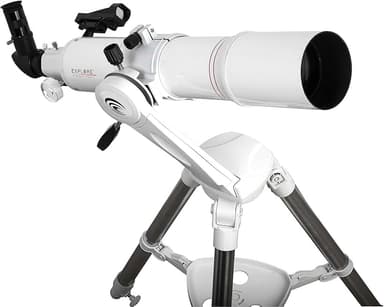
Celestron StarSense Explorer LT 114AZ vs Explore Scientific FirstLight 80mm Refractor Telescope with Twilight Nano Mount
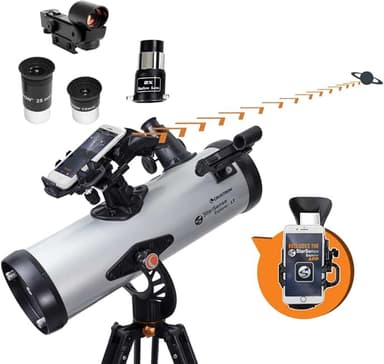
VS
Performance Profile
Score Comparison
Celestron StarSense ExplorerExplore Scientific FirstLight
Overall
75
53
Value
85
72
Beginner
47
39
Astrophoto
45
17
Portability
61
57
Planetary
51
30
Deep Sky
46
25
Our Take
The Celestron StarSense Explorer LT 114AZ is the clear winner for most amateur astronomers. The single most important differentiator is aperture; the 114mm Newtonian gathers significantly more light than the 80mm refractor, translating to superior performance across planetary observation, deep sky viewing, and astrophotography. The StarSense also includes automated hand control that aids beginners in locating objects, whereas the FirstLight requires manual star-hopping.
The FirstLight 80mm Refractor does offer simpler optical design and requires less collimation maintenance, but these advantages don't compensate for its substantially lower scores across all observational categories. The Celestron StarSense Explorer LT 114AZ suits observers prioritizing light-gathering power and versatility across multiple viewing types, especially those willing to learn manual tracking techniques. The Explore Scientific FirstLight 80mm Refractor is appropriate only for visual observers in extremely light-polluted urban areas where aperture provides diminishing returns and maximum portability is essential.
For nearly all other situations, the StarSense's larger aperture, tracking capability, and lower price make it the superior investment. Purchase the Celestron unless you have specific constraints favoring extreme portability and simplicity.
Key Differences
Why choose Celestron StarSense Explorer
- 114mm aperture gathers more light than 80mm
- 3.3kg lighter and more portable
- Has tracking capability for astrophotography
- Higher Overall score (75 vs 53)
- Higher Value score (85 vs 72)
- Higher Astrophoto score (45 vs 17)
Why choose Explore Scientific FirstLight
- $30 cheaper
- Higher Amazon rating (5.0 vs 4.1 stars)
Specifications
SpecCelestron StarSense ExplorerExplore Scientific FirstLight
Optical Specs
Aperture114mm80mm
Focal Length1000mm-
Focal Ratiof/8.8-
Optical DesignNewtonian-
Mount & Tracking
Mount TypeAlt-AzAlt-Az
GoToNoNo
TrackingYesNo
Physical
Weight4.72kg8.05kg
Included Accessories
FinderRed dot finderRed dot finder
Pricing & Reviews
Price$230$200
Amazon Rating4.1 stars5.0 stars
Reviews1,4606
Try these telescopes in our Eyepiece Calculator:
Related Comparisons
Explore Scientific FirstLight 80mm Refractor Telescope with Twilight Nano Mount vs Telescope for Adults High PoweredCelestron Travel Scope 80 vs Explore Scientific FirstLight 80mm Refractor Telescope with Twilight Nano MountCelestron StarSense Explorer LT 114AZ vs National Geographic NT114CFCelestron StarSense Explorer LT 114AZ vs Telescope, 150EQ Newtonian Reflector Telescope for Adults Astronomy BeginnersExplore Scientific FirstLight 80mm Refractor Telescope with Twilight Nano Mount vs Telescope for Adults High PoweredCelestron StarSense Explorer LT 114AZ vs Telescope for Adults High Powered