Comparison
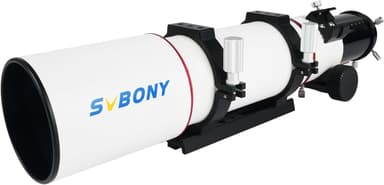
Celestron StarSense Explorer DX 130AZ vs SVBONY SV550 80mm APO Triplet
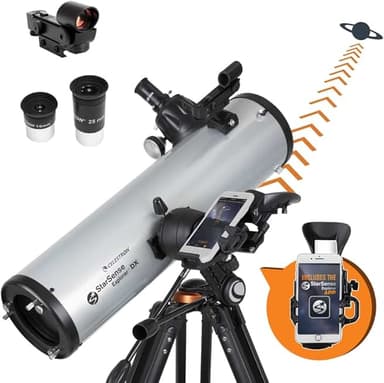
VS
Performance Profile
Score Comparison
Celestron StarSense ExplorerSVBONY SV550 80mm
Overall
73
64
Value
64
48
Beginner
41
33
Astrophoto
53
48
Portability
57
63
Planetary
50
48
Deep Sky
54
38
Our Take
The Celestron StarSense Explorer DX 130AZ is the winner for most amateur astronomers, scoring 73 overall versus the SVBONY SV550's 65. The single most important differentiator is aperture; the Celestron's 130mm mirror gathers nearly 2.6 times more light than the SVBONY's 80mm refractor, translating to superior performance on deep sky objects and planetary detail. The Celestron excels across most observing categories, particularly deep sky viewing where its larger aperture dominates. Its motorized alt-azimuth mount and built-in StarSense technology make finding objects intuitive.
The trade-off is weight at 8.16kg and slightly steeper learning curve for beginners. The SVBONY appeals primarily to travel-focused observers who prioritize portability; at 2.86kg, it's genuinely pack-friendly. Its APO triplet design delivers sharp, color-corrected views excellent for lunar and planetary work despite modest aperture. However, smaller aperture means fainter objects disappear, and the equatorial mount requires more setup knowledge.
Buy the Celestron StarSense Explorer DX 130AZ if you want maximum light gathering and broad observing versatility from a fixed location. Buy the SVBONY SV550 80mm APO Triplet if you frequently travel and prioritize optical sharpness over depth. The Celestron represents better overall value for serious amateur astronomy.
Key Differences
Why choose Celestron StarSense Explorer
- 130mm aperture gathers more light than 80mm
- $130 cheaper
- Has tracking capability for astrophotography
- Faster f/5 for wider field of view
- Higher Value score (64 vs 48)
- Higher Deep Sky score (54 vs 38)
Why choose SVBONY SV550 80mm
- 5.3kg lighter and more portable
- Higher Amazon rating (4.4 vs 4.1 stars)
Specifications
SpecCelestron StarSense ExplorerSVBONY SV550 80mm
Optical Specs
Aperture130mm80mm
Focal Length650mm480mm
Focal Ratiof/5f/6
Optical DesignNewtonianApochromat Refractor
Mount & Tracking
Mount TypeAlt-AzEquatorial
GoToNoNo
TrackingYesNo
Physical
Weight8.16kg2.86kg
Included Accessories
FinderStarPointerFinder scope
Focuser-Dual-speed
Pricing & Reviews
Price$429$559
Amazon Rating4.1 stars4.4 stars
Reviews1,55037
Try these telescopes in our Eyepiece Calculator:
Related Comparisons
Sky-Watcher Quattro 150P Imaging Newtonian vs SVBONY SV550 80mm APO TripletCelestron StarSense Explorer DX 102AZ vs SVBONY SV550 80mm APO TripletCelestron StarSense Explorer DX 130AZ vs Telescope, 150EQ Newtonian Reflector Telescope for Adults Astronomy BeginnersCelestron AstroMaster 130EQ vs Celestron StarSense Explorer DX 130AZCelestron StarSense Explorer DX 130AZ vs SVBONY SV503 102mm ED RefractorCelestron StarSense Explorer DX 130AZ vs SVBONY SV503 80mm ED Refractor