Comparison
Celestron StarSense Explorer 150AZ Dob vs Celestron StarSense Explorer DX 130AZ
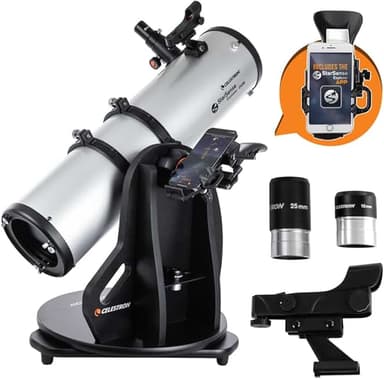
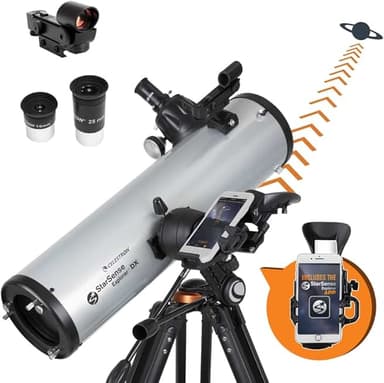
VS
Performance Profile
Score Comparison
Celestron StarSense ExplorerCelestron StarSense Explorer
Overall
72
73
Value
57
64
Beginner
39
41
Astrophoto
54
53
Portability
52
57
Planetary
53
50
Deep Sky
56
54
Our Take
The Celestron StarSense Explorer DX 130AZ edges out the Celestron StarSense Explorer 150AZ Dob by a single point, but these telescopes serve different priorities. The 150AZ Dob's larger 150mm aperture delivers noticeably brighter views of deep sky objects and marginally better planetary detail, giving it a tangible optical advantage. However, the DX 130AZ's 20 percent weight savings and superior portability score make it substantially more convenient for regular observing sessions. Both feature StarSense computerized tracking, a rarity at this price point, though neither excels at astrophotography or planetary work.
The single most important differentiator is portability versus light gathering. The 150AZ Dob's extra 3.2 kilograms and bulk matter significantly if you transport your telescope frequently; the DX 130AZ is genuinely grab-and-go equipment. Conversely, if aperture dominance drives your observing goals, the 150AZ Dob's 20mm advantage is worth the added heft. The DX 130AZ suits observers prioritizing convenience and frequent backyard sessions.
The 150AZ Dob deserves consideration from those with dedicated observing locations who prioritize maximum light collection and can manage slightly heavier equipment. Choose the DX 130AZ unless aperture is your primary concern.
Key Differences
Why choose Celestron StarSense Explorer
- 150mm aperture gathers more light than 130mm
- Higher Amazon rating (4.5 vs 4.1 stars)
Why choose Celestron StarSense Explorer
- $120 cheaper
- 3.2kg lighter and more portable
- 1,550 Amazon reviews vs 283
Specifications
SpecCelestron StarSense ExplorerCelestron StarSense Explorer
Optical Specs
Aperture150mm130mm
Focal Length750mm650mm
Focal Ratiof/5f/5
Optical DesignDobsonianNewtonian
Mount & Tracking
Mount TypeDobsonianAlt-Az
GoToNoNo
TrackingYesYes
Physical
Weight11.34kg8.16kg
Included Accessories
FinderStarPointerStarPointer
Pricing & Reviews
Price$549$429
Amazon Rating4.5 stars4.1 stars
Reviews2831,550
Try these telescopes in our Eyepiece Calculator:
Related Comparisons
Celestron StarSense Explorer DX 130AZ vs Telescope, 150EQ Newtonian Reflector Telescope for Adults Astronomy BeginnersCelestron AstroMaster 130EQ vs Celestron StarSense Explorer DX 130AZCelestron StarSense Explorer DX 130AZ vs SVBONY SV503 102mm ED RefractorCelestron StarSense Explorer 150AZ Dob vs Sky Watcher Sky-Watcher Classic 150 Dobsonian 6-inch Telescope – Solid-Tube – SiCelestron StarSense Explorer DX 130AZ vs SVBONY SV503 80mm ED RefractorCelestron StarSense Explorer DX 130AZ vs SVBONY SV550 80mm APO Triplet