Comparison
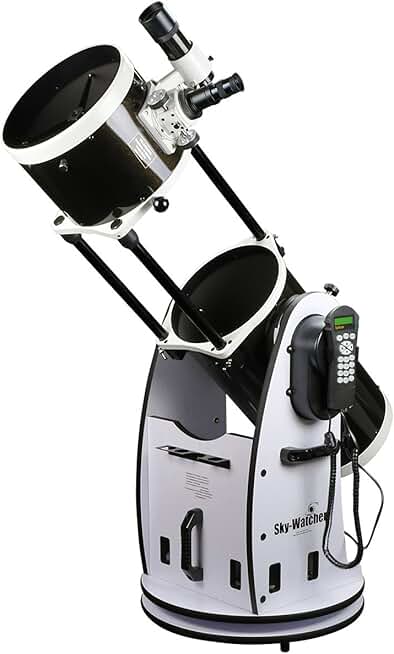
Celestron StarSense Explorer 10" Dob vs Sky-Watcher FlexTube 250 SynScan
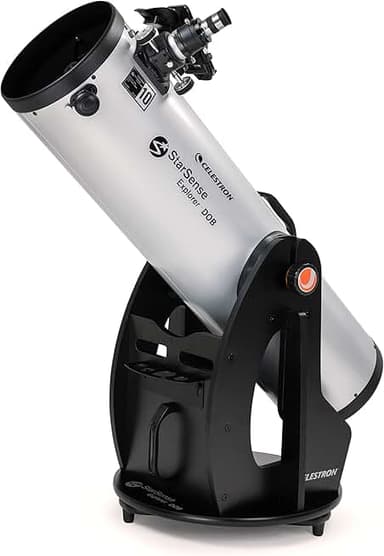
VS
Performance Profile
Score Comparison
Celestron StarSense ExplorerSky-Watcher FlexTube 250
Overall
69
76
Value
43
40
Beginner
26
42
Astrophoto
56
63
Portability
29
15
Planetary
63
72
Deep Sky
64
73
Our Take
The Sky-Watcher FlexTube 250 SynScan is the winner, though this verdict comes with important caveats. Both telescopes share identical optics: 254mm aperture at f/4.7, delivering equivalent light-gathering and magnification capabilities. The critical differentiator is the GoTo automated mount system in the FlexTube, which delivers substantially better planetary viewing (72 vs 63), deep sky observation (73 vs 64), and astrophotography performance (63 vs 56) by eliminating manual tracking fatigue and enabling precise object centering.
However, the FlexTube's advantages come at significant cost: $696 more upfront, nearly 40 percent heavier, and essentially immobile without a vehicle. The StarSense Explorer 10" Dob remains manually tracked, making it genuinely portable and $700 cheaper, though its beginner score of 26 reflects a steeper learning curve. The Celestron StarSense Explorer 10" Dob suits casual observers prioritizing affordability, portability, and simple operation for naked-eye lunar and bright deep sky work.
The Sky-Watcher FlexTube 250 SynScan is better for serious amateurs targeting detailed planetary work, faint deep sky objects, or astrophotography who can accommodate its size and weight. For most intermediate astronomers with garage storage, the FlexTube's capabilities justify its premium.
Key Differences
Why choose Celestron StarSense Explorer
- $696 cheaper
- 9.7kg lighter and more portable
- Higher Portability score (29 vs 15)
- Higher Amazon rating (4.4 vs 3.8 stars)
- 165 Amazon reviews vs 65
Why choose Sky-Watcher FlexTube 250
- Includes GoTo mount for automatic object finding
- Higher Beginner score (42 vs 26)
Specifications
SpecCelestron StarSense ExplorerSky-Watcher FlexTube 250
Optical Specs
Aperture254mm254mm
Focal Length1200mm1200mm
Focal Ratiof/4.7f/4.7
Optical DesignDobsonianDobsonian
Coating-Fully Multi-Coated
Mount & Tracking
Mount TypeDobsonianDobsonian
GoToNoYes
TrackingYesYes
Physical
Weight24.86kg34.56kg
Included Accessories
FinderStarPointerFinder scope
FocuserCrayfordCrayford
Pricing & Reviews
Price$1199$1895
Amazon Rating4.4 stars3.8 stars
Reviews16565
Try these telescopes in our Eyepiece Calculator:
Related Comparisons
Celestron StarSense Explorer 10" Dob vs Sky-Watcher FlexTube 200PSky-Watcher FlexTube 250 SynScan vs Sky-Watcher FlexTube 300PCelestron StarSense Explorer 10" Dob vs Sky-Watcher FlexTube 300PSky-Watcher FlexTube 200P GoTo vs Sky-Watcher FlexTube 250 SynScanCelestron StarSense Explorer 10" Dob vs Sky-Watcher FlexTube 200P GoToSky-Watcher FlexTube 250 SynScan vs Sky Watcher Sky-Watcher Classic 250 Dobsonian 10-inch Telescope – Solid-Tube – S