Comparison
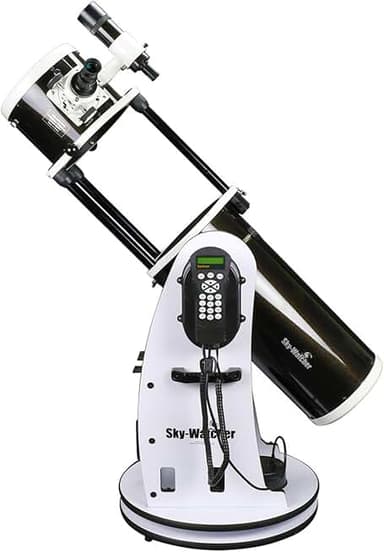
Celestron StarSense Explorer 10" Dob vs Sky-Watcher FlexTube 200P GoTo
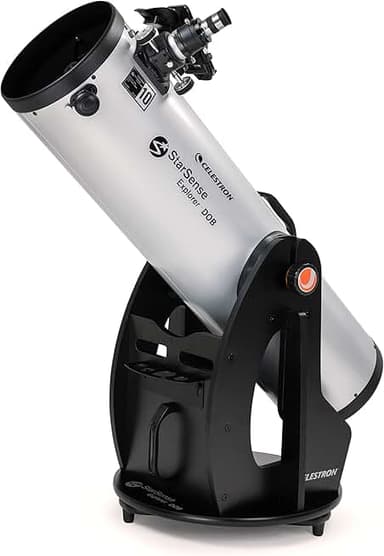
VS
Performance Profile
Score Comparison
Celestron StarSense ExplorerSky-Watcher FlexTube 200P
Overall
69
67
Value
43
45
Beginner
26
44
Astrophoto
56
44
Portability
29
29
Planetary
63
59
Deep Sky
64
54
Our Take
The Celestron StarSense Explorer 10" Dob is the winner for most amateur astronomers, primarily due to its larger aperture advantage. The single most important differentiator is aperture; the Celestron's 254mm objective versus the Sky-Watcher's 203mm translates to roughly 50 percent more light-gathering power, significantly improving deep-sky observations and planetary detail. The Celestron excels where it matters most: aperture-dependent performance. It scores higher in planetary viewing, deep-sky observation, and overall image quality.
Its manual GoTo system via StarSense technology is intuitive enough for intermediate users. However, the Sky-Watcher FlexTube 200P GoTo better serves complete beginners with its more conventional GoTo implementation and simpler learning curve, plus its collapsible tube design offers marginally better portability despite comparable weight. Both telescopes share similar weight and portability limitations; neither is ideal for frequent travel. Lunar and planetary observers should purchase the Celestron StarSense Explorer 10" Dob.
Beginners prioritizing ease of use and GoTo convenience should consider the Sky-Watcher FlexTube 200P GoTo. For most experienced amateur astronomers seeking the best visual performance per dollar, the Celestron's aperture advantage justifies the $100 price premium and makes it the superior choice.
Key Differences
Why choose Celestron StarSense Explorer
- 254mm aperture gathers more light than 203.2mm
- Higher Astrophoto score (56 vs 44)
- Higher Amazon rating (4.4 vs 3.8 stars)
- 165 Amazon reviews vs 65
Why choose Sky-Watcher FlexTube 200P
- Includes GoTo mount for automatic object finding
- Higher Beginner score (44 vs 26)
Specifications
SpecCelestron StarSense ExplorerSky-Watcher FlexTube 200P
Optical Specs
Aperture254mm203.2mm
Focal Length1200mm-
Focal Ratiof/4.7-
Optical DesignDobsonianDobsonian
Coating-Fully Multi-Coated
Mount & Tracking
Mount TypeDobsonianDobsonian
GoToNoYes
TrackingYesYes
Physical
Weight24.86kg24.95kg
Included Accessories
FinderStarPointerFinder scope
FocuserCrayfordCrayford
Pricing & Reviews
Price$1199$1299
Amazon Rating4.4 stars3.8 stars
Reviews16565
Try these telescopes in our Eyepiece Calculator:
Related Comparisons
Sky-Watcher FlexTube 200P GoTo vs Sky-Watcher FlexTube 300 SynScanCelestron StarSense Explorer 10" Dob vs Sky-Watcher FlexTube 200PSky-Watcher FlexTube 200P GoTo vs Sky-Watcher FlexTube 300PCelestron StarSense Explorer 10" Dob vs Sky-Watcher FlexTube 300PSky-Watcher FlexTube 200P GoTo vs Sky Watcher Sky-Watcher Classic 250 Dobsonian 10-inch Telescope – Solid-Tube – SCelestron StarSense Explorer 12" Dob vs Sky-Watcher FlexTube 200P GoTo