Comparison
Celestron PowerSeeker 127EQ vs Celestron StarSense Explorer LT 114AZ
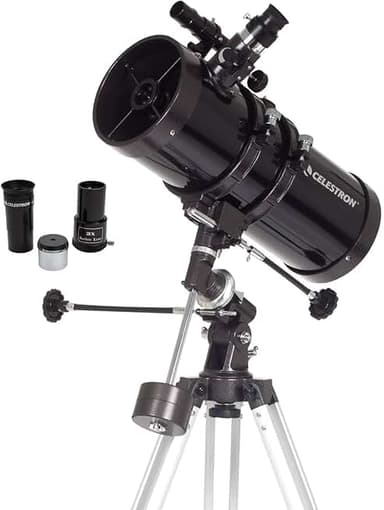
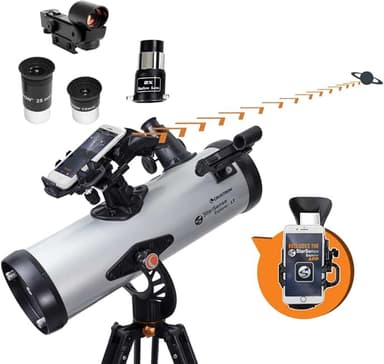
VS
Performance Profile
Score Comparison
Celestron PowerSeeker 127EQCelestron StarSense Explorer
Overall
73
75
Value
85
85
Beginner
45
47
Astrophoto
48
45
Portability
60
61
Planetary
48
51
Deep Sky
41
46
Our Take
The Celestron StarSense Explorer LT 114AZ edges out the Celestron PowerSeeker 127EQ despite having slightly smaller aperture. The StarSense Explorer's built-in smartphone tracking system fundamentally changes the user experience, eliminating the learning curve of manual equatorial mount navigation. While the PowerSeeker offers 13mm more aperture for deeper light gathering, its equatorial mount demands mechanical knowledge most beginners lack.
The StarSense Explorer scores higher overall (77 vs 73) and matches the PowerSeeker's planetary performance while improving deep sky observation by six points. The single most important differentiator is the tracking mount; the StarSense Explorer's computerized alt-azimuth system with smartphone integration makes object finding intuitive, whereas the PowerSeeker's equatorial mount requires proper polar alignment and manual tracking adjustments. Buy the Celestron PowerSeeker 127EQ only if you're committed to learning equatorial mechanics and prioritize maximum light-gathering power.
Buy the Celestron StarSense Explorer LT 114AZ if you want to start observing immediately without mounting complexity. The StarSense Explorer LT 114AZ is the better choice for most amateur astronomers entering the hobby, trading minimal aperture for substantially improved usability and actually superior overall performance.
Key Differences
Why choose Celestron PowerSeeker 127EQ
- 127mm aperture gathers more light than 114mm
- $46 cheaper
- 10,316 Amazon reviews vs 1,460
Why choose Celestron StarSense Explorer
- 1.2kg lighter and more portable
- Has tracking capability for astrophotography
Specifications
SpecCelestron PowerSeeker 127EQCelestron StarSense Explorer
Optical Specs
Aperture127mm114mm
Focal Length1000mm1000mm
Focal Ratiof/7.9f/8.8
Optical DesignNewtonianNewtonian
Mount & Tracking
Mount TypeEquatorialAlt-Az
GoToNoNo
TrackingNoYes
Physical
Weight5.9kg4.72kg
Included Accessories
FinderFinder scopeRed dot finder
Pricing & Reviews
Price$184$230
Amazon Rating4.1 stars4.1 stars
Reviews10,3161,460
Try these telescopes in our Eyepiece Calculator:
Related Comparisons
Celestron PowerSeeker 127EQ vs Telescope for Adults High PoweredCelestron AstroMaster 102AZ vs Celestron PowerSeeker 127EQCelestron PowerSeeker 127EQ vs Telescope, Telescope for Adults High Powered ProfessionalCelestron StarSense Explorer LT 114AZ vs National Geographic NT114CFCelestron PowerSeeker 127EQ vs Telescope, 150EQ Newtonian Reflector Telescope for Adults Astronomy BeginnersCelestron StarSense Explorer LT 114AZ vs Telescope, 150EQ Newtonian Reflector Telescope for Adults Astronomy Beginners