Comparison
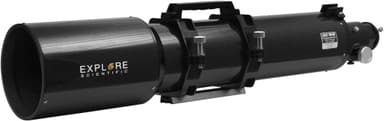
Celestron NexStar Evolution 9.25 vs Explore Scientific ED127 FCD100
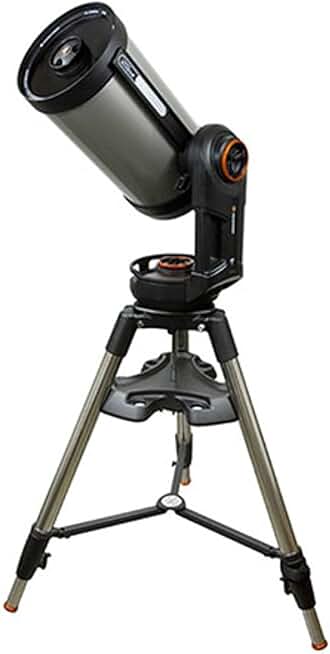
VS
Performance Profile
Score Comparison
Celestron NexStar EvolutionExplore Scientific ED127
Overall
74
56
Value
37
34
Beginner
45
25
Astrophoto
51
31
Portability
44
55
Planetary
72
54
Deep Sky
62
39
Our Take
The Celestron NexStar Evolution 9.25 is the clear winner for most amateur astronomers. The single most important differentiator is aperture; the Celestron's 235mm objective versus the Explore Scientific's 127mm gives it nearly four times the light-gathering ability, directly translating to superior performance across planetary and deep-sky observation. The NexStar's GoTo capability and alt-az mount also provide significant convenience for automated object location and tracking, which the refractor cannot match.
Buy the Celestron NexStar Evolution 9.25 if you want the best optical performance for observing planets and deep-sky objects and can manage its weight and size. Buy the Explore Scientific ED127 FCD100 if portability is your primary concern and you plan frequent observing sessions requiring a telescope that's genuinely transportable. The NexStar's lower beginner score reflects its size and complexity rather than optical quality.
However, if you're serious about visual astronomy and can accommodate a heavier, less portable instrument, the Celestron delivers substantially better views across nearly every observing category. The ED127 is an excellent refractor for its class, but it operates in a fundamentally different tier of performance.
Key Differences
Why choose Celestron NexStar Evolution
- 235mm aperture gathers more light than 127mm
- Includes GoTo mount for automatic object finding
- Has tracking capability for astrophotography
- Higher Overall score (74 vs 56)
- Higher Beginner score (45 vs 25)
- Higher Astrophoto score (51 vs 31)
Why choose Explore Scientific ED127
- 6.8kg lighter and more portable
- Faster f/7.5 for wider field of view
- Higher Portability score (55 vs 44)
Specifications
SpecCelestron NexStar EvolutionExplore Scientific ED127
Optical Specs
Aperture235mm127mm
Focal Length2350mm952mm
Focal Ratiof/10f/7.5
Optical DesignSchmidt-CassegrainApochromat Refractor
Mount & Tracking
Mount TypeAlt-Az-
GoToYesNo
TrackingYesNo
Physical
Weight16.33kg9.53kg
Included Accessories
FinderStarPointerFinder scope
Pricing & Reviews
Price$2499$2599
Amazon Rating3.4 stars-
Reviews42-
Try these telescopes in our Eyepiece Calculator:
Related Comparisons
Explore Scientific ED127 FCD100 vs Explore Scientific ED127 FCD100Celestron Advanced VX 7" Mak vs Explore Scientific ED127 FCD100Celestron NexStar Evolution 8 EdgeHD vs Celestron NexStar Evolution 9.25Celestron Advanced VX 8” EdgeHD Computerized Telescope vs Explore Scientific ED127 FCD100Celestron NexStar Evolution 9.25 vs Unistellar Equinox 2Celestron Advanced VX 8” EdgeHD Computerized Telescope vs Celestron NexStar Evolution 9.25