Comparison
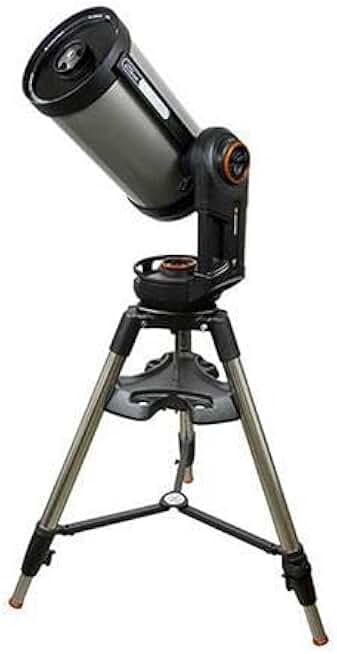
Celestron NexStar Evolution 8 EdgeHD vs Celestron NexStar Evolution 9.25
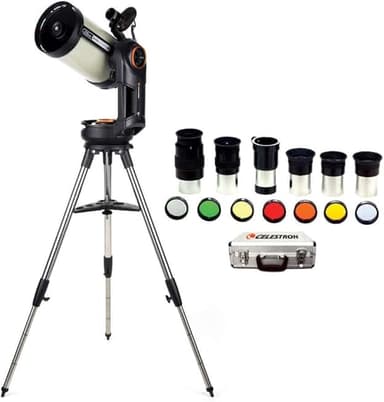
VS
Performance Profile
Score Comparison
Celestron NexStar EvolutionCelestron NexStar Evolution
Overall
71
71
Value
36
37
Beginner
39
37
Astrophoto
51
59
Portability
38
15
Planetary
69
72
Deep Sky
59
62
Our Take
This decision hinges entirely on your observing location and lifestyle. Both telescopes score identically overall at 71/100, yet they represent opposite philosophies. The single most important differentiator is portability. The Evolution 8 EdgeHD weighs 20kg and fits in a vehicle reasonably; the Evolution 9.25 at nearly 40kg demands a dedicated setup, ideally permanent or semi-permanent.
If you transport your scope more than occasionally, this matters enormously. The Evolution 8 EdgeHD suits observers who value flexibility and don't want to sacrifice planetary performance; its f/10 design and EdgeHD optics deliver sharp lunar and planetary views with genuine portability. The Evolution 9.25 belongs with those committed to fixed or semi-fixed installations who will leverage that extra aperture for superior deep sky brightness and planetary detail. Choose the Evolution 8 EdgeHD if you prioritize getting your telescope to dark sites or observing from varied locations.
Choose the Evolution 9.25 if you have a permanent observing location and want maximum light gathering for deep sky objects, accepting that it essentially stays put. The Evolution 9.25 offers slightly better value at a lower price point with marginally superior astrophotography and deep sky capability, but only if its weight is manageable for your situation.
Key Differences
Why choose Celestron NexStar Evolution
- 19.4kg lighter and more portable
- Higher Portability score (38 vs 15)
- 175 Amazon reviews vs 17
Why choose Celestron NexStar Evolution
- 235mm aperture gathers more light than 203.2mm
Specifications
SpecCelestron NexStar EvolutionCelestron NexStar Evolution
Optical Specs
Aperture203.2mm235mm
Focal Length2032mm2350mm
Focal Ratiof/10f/10
Optical DesignSchmidt-CassegrainSchmidt-Cassegrain
CoatingCoated-
Mount & Tracking
Mount TypeAlt-AzFork
GoToYesYes
TrackingYesYes
Physical
Weight20.23kg39.64kg
Included Accessories
FinderFinder scopeFinder scope
Pricing & Reviews
Price$2699$2599
Amazon Rating3.8 stars4.0 stars
Reviews17517
Try these telescopes in our Eyepiece Calculator:
Related Comparisons
Celestron CGX 1100 vs Celestron NexStar Evolution 9.25Celestron NexStar 8SE vs Celestron NexStar Evolution 9.25Celestron NexStar Evolution 8 EdgeHD vs Explore Scientific ED102 FCD100Celestron EdgeHD 925 OTA vs Celestron NexStar Evolution 8 EdgeHDCelestron Advanced VX 8” EdgeHD Computerized Telescope vs Celestron NexStar Evolution 9.25Celestron Advanced VX 8” EdgeHD Computerized Telescope vs Celestron NexStar Evolution 8 EdgeHD