Comparison
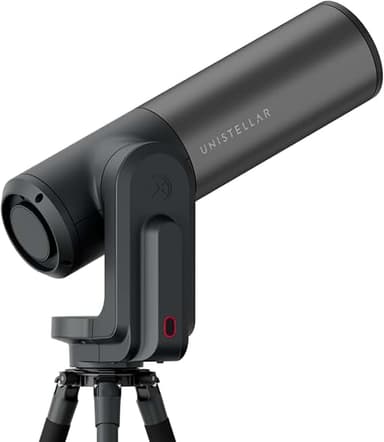
Celestron NexStar Evolution 8 EdgeHD vs Unistellar Equinox 2
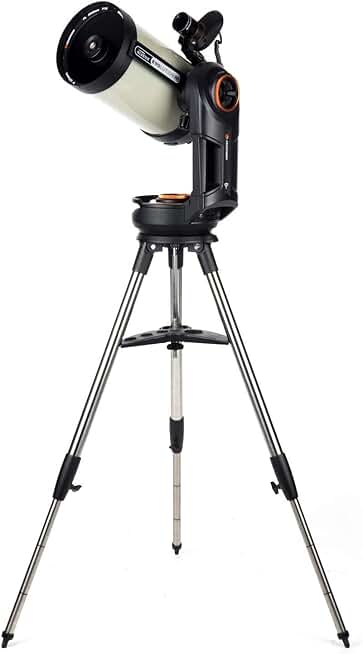
VS
Performance Profile
Score Comparison
Celestron NexStar EvolutionUnistellar Equinox 2
Overall
71
82
Value
36
38
Beginner
37
61
Astrophoto
66
73
Portability
17
65
Planetary
69
49
Deep Sky
59
70
Our Take
VERDICT The Unistellar Equinox 2 emerges as the better all-around choice for most amateur astronomers, despite costing $200 more and offering half the aperture. Its 83/100 overall score reflects genuine versatility; it excels at deep sky observation, astrophotography, and portability while remaining accessible to beginners. The Celestron NexStar Evolution 8 EdgeHD delivers superior planetary views and raw light-gathering power, but its 31 kg weight and poor beginner score severely limit its practical appeal. Most observers will use what they actually transport to dark sites.
The critical differentiator is portability and usability. The Equinox 2's nine kilogram weight and integrated smart features make it genuinely portable, while the Evolution 8's 31 kilogram mass transforms it into a semi-permanent observatory setup. This fundamentally changes how often you'll observe. Buy the Celestron if you want maximum planetary detail and have a dedicated observing location.
Buy the Unistellar if you value flexibility, ease of use, and exploring diverse deep sky targets from various locations. For most amateur astronomers balancing capability with practicality, the Unistellar Equinox 2 represents the smarter investment.
Key Differences
Why choose Celestron NexStar Evolution
- 203.2mm aperture gathers more light than 114mm
- Higher Planetary score (69 vs 49)
Why choose Unistellar Equinox 2
- 22.3kg lighter and more portable
- Smart telescope with app control and live stacking
- Faster f/4 for wider field of view
- Higher Overall score (82 vs 71)
- Higher Beginner score (61 vs 37)
- Higher Portability score (65 vs 17)
Specifications
SpecCelestron NexStar EvolutionUnistellar Equinox 2
Optical Specs
Aperture203.2mm114mm
Focal Length2032mm450mm
Focal Ratiof/10f/4
Optical DesignSchmidt-Cassegrain-
Mount & Tracking
Mount TypeEquatorialAlt-Az
GoToYesYes
TrackingYesYes
Physical
Weight31.3kg9kg
Included Accessories
FinderFinder scopeFinder scope
Pricing & Reviews
Price$2699$2464
Amazon Rating3.6 stars3.4 stars
Reviews1723
Try these telescopes in our Eyepiece Calculator:
Related Comparisons
Celestron NexStar 8 SE Schmidt-Cassegrain Computerized Telescope with 1.25" Eyep vs Celestron NexStar Evolution 8 EdgeHDCelestron NexStar Evolution 8 vs Unistellar Equinox 2Celestron Advanced VX 8” EdgeHD Computerized Telescope vs Celestron NexStar Evolution 8 EdgeHDUnistellar Equinox 2 vs Unistellar OdysseyCelestron Advanced VX 7" Mak vs Unistellar Equinox 2Celestron NexStar Evolution 8 EdgeHD vs Celestron NexStar Evolution 9.25