Comparison
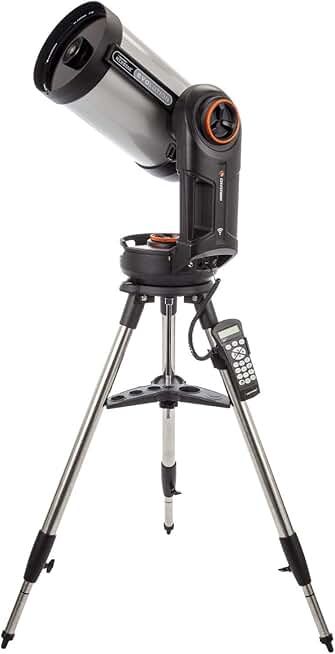
Celestron NexStar 8SE vs Celestron NexStar Evolution 8
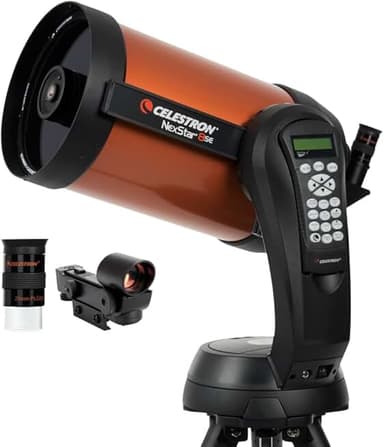
VS
Performance Profile
Score Comparison
Celestron NexStar 8SECelestron NexStar Evolution
Overall
80
72
Value
42
39
Beginner
52
43
Astrophoto
61
51
Portability
53
42
Planetary
71
69
Deep Sky
61
59
Our Take
The Celestron NexStar 8SE is the clear winner for most amateur astronomers. Both telescopes share identical optics, 203mm aperture, and computerized GoTo mounts, but the 8SE outperforms across nearly every meaningful metric while costing $300 less. The single most important differentiator is portability and practicality. The NexStar 8SE weighs 10.84kg with a compact fork mount, making it genuinely transportable for dark-sky observing sessions.
The Evolution 8 at 17.46kg with a larger alt-az base becomes a fixture rather than a portable instrument, severely limiting its real-world utility for most backyard observers. The NexStar 8SE's superior scores in every category, from planetary observation (71 vs 69) to astrophotography (61 vs 51), reflect this advantage. The lighter mount also maintains better tracking stability and requires less setup time and space. The only scenario where the Evolution 8 makes sense is if you have a permanent observatory location and prioritize the slightly larger base for absolute stability, though the performance gains don't justify the weight penalty.
Buy the Celestron NexStar 8SE if you want excellent planetary views and deep-sky observation with genuine portability. Buy the Evolution 8 only if you have a dedicated permanent mounting location and won't move the scope.
Key Differences
Why choose Celestron NexStar 8SE
- $300 cheaper
- 6.6kg lighter and more portable
- Higher Portability score (53 vs 42)
- 2,493 Amazon reviews vs 72
Why choose Celestron NexStar Evolution
No significant advantages identified.
Specifications
SpecCelestron NexStar 8SECelestron NexStar Evolution
Optical Specs
Aperture203.2mm203.2mm
Focal Length2032mm2032mm
Focal Ratiof/10f/10
Optical DesignSchmidt-CassegrainSchmidt-Cassegrain
Mount & Tracking
Mount TypeForkAlt-Az
GoToYesYes
TrackingYesYes
Physical
Weight10.84kg17.46kg
Included Accessories
FinderStarPointerFinder scope
Pricing & Reviews
Price$1699$1999
Amazon Rating4.4 stars4.4 stars
Reviews2,49372
Try these telescopes in our Eyepiece Calculator:
Related Comparisons
Celestron NexStar 8SE vs Explore Scientific ED102 FCD100Celestron NexStar 8SE vs Celestron NexStar Evolution 9.25Celestron NexStar 8SE vs Explore Scientific ED102 FCD100Celestron CGEM II Computerized German Type Motorized Equatorial Mount vs Celestron NexStar Evolution 8Celestron NexStar Evolution 8 vs Explore Scientific ED127 FCD100Celestron NexStar 8SE vs Vaonis Vespera II Exploration Station