Comparison
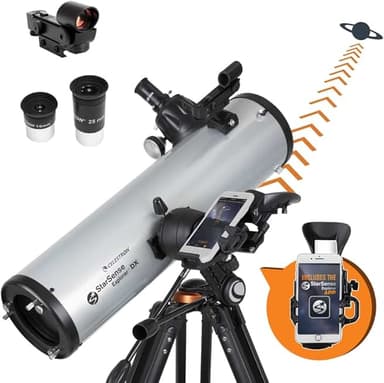
Celestron NexStar 130SLT vs Celestron StarSense Explorer DX 130AZ
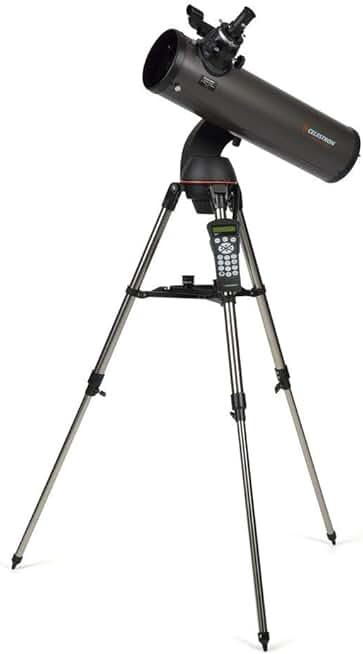
VS
Performance Profile
Score Comparison
Celestron NexStar 130SLTCelestron StarSense Explorer
Overall
85
73
Value
67
64
Beginner
61
41
Astrophoto
62
53
Portability
61
57
Planetary
56
50
Deep Sky
65
54
Our Take
The NexStar 130SLT is the clear winner for most amateur astronomers. Both telescopes share identical optics (130mm Newtonian, f/5 ratio), but the NexStar's automated GoTo system versus the StarSense Explorer's manual push-to approach creates a substantial performance gap. The NexStar outscores its competitor across every category, most notably in overall performance (85 vs 73) and beginner-friendliness (61 vs 41). While the StarSense Explorer costs $106 less, this savings evaporates when considering the superior ease of use and observing experience the GoTo mount provides.
The NexStar's lighter weight (5.17kg vs 8.16kg) adds another advantage for transport and setup. The single most important differentiator is the GoTo automation. Manual push-to systems demand sky knowledge and patience; GoTo mounts find objects automatically, dramatically reducing frustration for new observers while maximizing observing time. Buy the NexStar 130SLT if you want the best overall experience and are willing to spend slightly more.
Buy the StarSense Explorer DX 130AZ only if budget is your absolute priority and you're committed to learning manual navigation. The NexStar 130SLT is the stronger choice for the vast majority of amateur astronomers seeking reliable performance and user-friendly operation.
Key Differences
Why choose Celestron NexStar 130SLT
- 3.0kg lighter and more portable
- Includes GoTo mount for automatic object finding
- Higher Overall score (85 vs 73)
- Higher Beginner score (61 vs 41)
- Higher Deep Sky score (65 vs 54)
Why choose Celestron StarSense Explorer
- $107 cheaper
Specifications
SpecCelestron NexStar 130SLTCelestron StarSense Explorer
Optical Specs
Aperture130mm130mm
Focal Length650mm650mm
Focal Ratiof/5f/5
Optical DesignNewtonianNewtonian
Mount & Tracking
Mount TypeAlt-AzAlt-Az
GoToYesNo
TrackingYesYes
Physical
Weight5.17kg8.16kg
Included Accessories
FinderStarPointerStarPointer
Pricing & Reviews
Price$535$429
Amazon Rating4.3 stars4.1 stars
Reviews2,1781,550
Try these telescopes in our Eyepiece Calculator:
Related Comparisons
Celestron StarSense Explorer DX 130AZ vs Telescope, 150EQ Newtonian Reflector Telescope for Adults Astronomy BeginnersCelestron AstroMaster 130EQ vs Celestron StarSense Explorer DX 130AZCelestron StarSense Explorer DX 130AZ vs SVBONY SV503 102mm ED RefractorAskar 71F Flat-Field Telescope, 71mm Aperture F6.9 ED Glass Refractor OTA vs Celestron NexStar 130SLTCelestron StarSense Explorer DX 130AZ vs SVBONY SV503 80mm ED RefractorCelestron NexStar 130SLT vs Telescope, 150EQ Newtonian Reflector Telescope for Adults Astronomy Beginners