Comparison
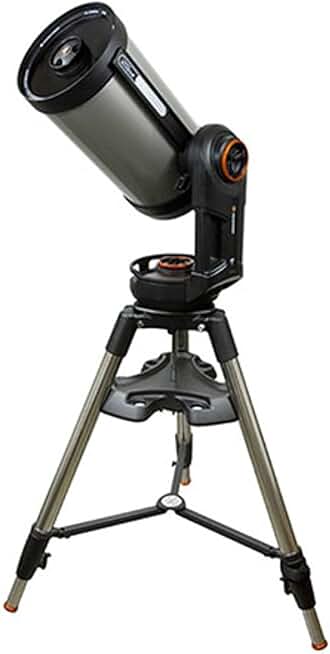
Celestron EdgeHD 800 OTA vs Celestron NexStar Evolution 9.25
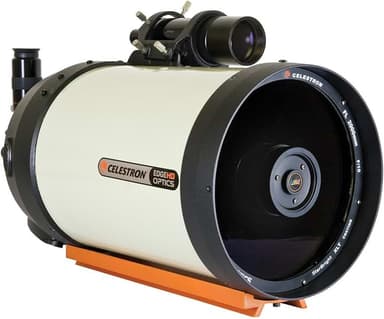
VS
Performance Profile
Score Comparison
Celestron EdgeHD 800Celestron NexStar Evolution
Overall
81
74
Value
41
37
Beginner
49
45
Astrophoto
66
51
Portability
64
44
Planetary
69
72
Deep Sky
59
62
Our Take
The Celestron EdgeHD 800 OTA is the clear winner for most amateur astronomers. While the Celestron NexStar Evolution 9.25 offers slightly larger aperture and marginally better planetary viewing, the EdgeHD 800 delivers superior overall performance at a significantly lower price point. The single most important differentiator is portability combined with value.
The EdgeHD 800 weighs just 1.2 kilograms on an equatorial mount, making it genuinely transportable to dark sites. The NexStar Evolution 9.25 tips the scales at 16.33 kilograms on an alt-az mount, severely limiting its practical field use. Meanwhile, the EdgeHD 800 costs $800 less and scores substantially higher in astrophotography (66 versus 51), deep sky observation (59 versus 62), and overall versatility (81 versus 74).
Buy the Celestron EdgeHD 800 OTA if you value flexibility, affordability, and the ability to actually transport your equipment to dark sites. Purchase the Celestron NexStar Evolution 9.25 only if you plan permanent backyard observations and demand maximum aperture for planetary observation despite the weight penalty. For most amateur astronomers, the EdgeHD 800 represents the smarter investment; it performs better across more disciplines without the burden of transport logistics.
Key Differences
Why choose Celestron EdgeHD 800
- $800 cheaper
- 15.1kg lighter and more portable
- Higher Astrophoto score (66 vs 51)
- Higher Portability score (64 vs 44)
- Higher Amazon rating (4.8 vs 3.4 stars)
Why choose Celestron NexStar Evolution
- 235mm aperture gathers more light than 203.2mm
- 42 Amazon reviews vs 13
Specifications
SpecCelestron EdgeHD 800Celestron NexStar Evolution
Optical Specs
Aperture203.2mm235mm
Focal Length2032mm2350mm
Focal Ratiof/10f/10
Optical DesignSchmidt-CassegrainSchmidt-Cassegrain
Mount & Tracking
Mount TypeEquatorialAlt-Az
GoToYesYes
TrackingYesYes
Physical
Weight1.2kg16.33kg
Included Accessories
FinderFinder scopeStarPointer
Pricing & Reviews
Price$1699$2499
Amazon Rating4.8 stars3.4 stars
Reviews1342
Try these telescopes in our Eyepiece Calculator:
Related Comparisons
Celestron NexStar Evolution 8 EdgeHD vs Celestron NexStar Evolution 9.25Celestron EdgeHD 800 OTA vs Explore Scientific ED127 FCD100Celestron 12046 Computerized Advanced VX 9.25" Schmidt-Cassegrain Telescope vs Celestron EdgeHD 800 OTACelestron Advanced VX 7" Mak vs Celestron EdgeHD 800 OTACelestron EdgeHD 800 OTA vs Celestron NexStar 8 SE Schmidt-Cassegrain Computerized Telescope with 1.25" EyepCelestron EdgeHD 800 OTA vs Celestron NexStar Evolution 9.25