Comparison
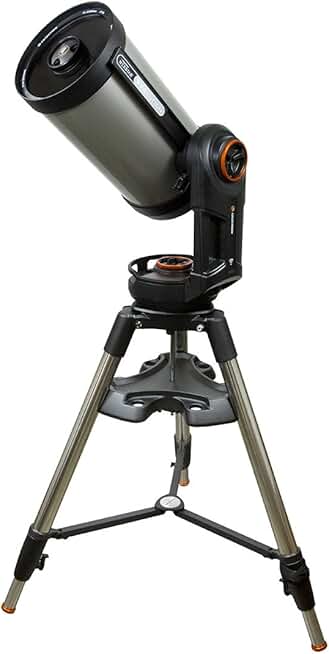
Celestron EdgeHD 800 OTA vs Celestron NexStar Evolution 9.25
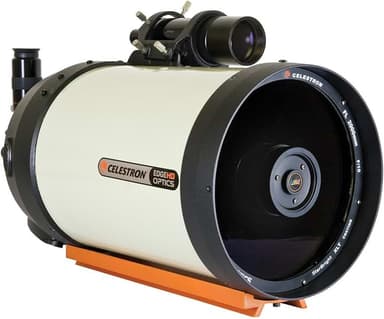
VS
Performance Profile
Score Comparison
Celestron EdgeHD 800Celestron NexStar Evolution
Overall
81
74
Value
41
50
Beginner
49
38
Astrophoto
66
50
Portability
64
35
Planetary
69
74
Deep Sky
59
61
Our Take
The Celestron EdgeHD 800 OTA emerges as the stronger all-around choice, though this verdict depends heavily on your observing style and setup. The single most important differentiator is the mount type. The EdgeHD 800's equatorial mount excels for tracking celestial objects across the sky and proves essential for astrophotography, evidenced by its 66/100 astrophoto score versus the Evolution 9.25's 50/100.
Conversely, the Evolution 9.25's larger 235mm aperture delivers superior planetary views and deep-sky light gathering, scoring 74/100 in planetary performance. However, its 21.77kg weight and poor portability score of 35/100 make it a stationary observatory telescope rather than a grab-and-go instrument. The Celestron EdgeHD 800 OTA suits observers prioritizing portability, astrophotography capability, and balanced performance across multiple observing targets, despite its steeper learning curve for beginners.
The Celestron NexStar Evolution 9.25 belongs with dedicated planetary observers with a permanent setup who value maximum light-gathering power over mobility. Purchase the EdgeHD 800 if you want versatility and plan to image. Buy the Evolution 9.25 if you're committed to planetary observation and have a fixed observing location.
Key Differences
Why choose Celestron EdgeHD 800
- 20.6kg lighter and more portable
- Higher Beginner score (49 vs 38)
- Higher Astrophoto score (66 vs 50)
- Higher Portability score (64 vs 35)
Why choose Celestron NexStar Evolution
- 235mm aperture gathers more light than 203.2mm
- $690 cheaper
Specifications
SpecCelestron EdgeHD 800Celestron NexStar Evolution
Optical Specs
Aperture203.2mm235mm
Focal Length2032mm2350mm
Focal Ratiof/10f/10
Optical DesignSchmidt-CassegrainSchmidt-Cassegrain
Coating-Multi-Coated
Mount & Tracking
Mount TypeEquatorialAlt-Az
GoToYesYes
TrackingYesYes
Physical
Weight1.2kg21.77kg
Included Accessories
FinderFinder scope-
Pricing & Reviews
Price$1699$1009
Amazon Rating4.8 stars-
Reviews13-
Try these telescopes in our Eyepiece Calculator:
Related Comparisons
Celestron NexStar 6SE vs Celestron NexStar Evolution 9.25Celestron NexStar Evolution 9.25 vs Sky-Watcher SkyMax 127Celestron EdgeHD 800 OTA vs Explore Scientific ED127 FCD100Celestron 12046 Computerized Advanced VX 9.25" Schmidt-Cassegrain Telescope vs Celestron EdgeHD 800 OTACelestron Advanced VX 7" Mak vs Celestron EdgeHD 800 OTACelestron EdgeHD 800 OTA vs Celestron NexStar 8 SE Schmidt-Cassegrain Computerized Telescope with 1.25" Eyep