Comparison
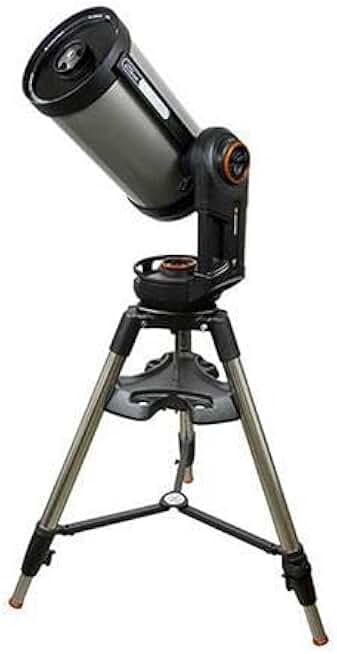
Celestron EdgeHD 800 OTA vs Celestron NexStar Evolution 9.25
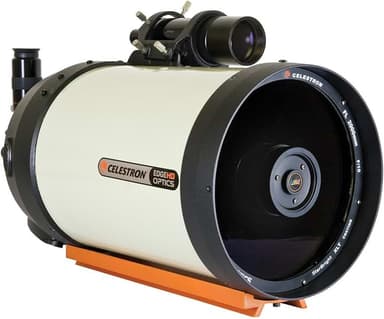
VS
Performance Profile
Score Comparison
Celestron EdgeHD 800Celestron NexStar Evolution
Overall
81
71
Value
41
37
Beginner
49
37
Astrophoto
66
59
Portability
64
15
Planetary
69
72
Deep Sky
59
62
Our Take
The Celestron EdgeHD 800 OTA is the clear winner for most amateur astronomers. While the Celestron NexStar Evolution 9.25 offers slightly larger aperture and marginally better planetary views, it costs 53 percent more and weighs nearly 33 kilograms more, making it impractical for casual observers. The single most important differentiator is portability.
The EdgeHD 800 OTA weighs just 1.2 kilograms as an optical tube assembly, while the Evolution 9.25's integrated 39.64-kilogram fork mount severely restricts where you can observe. This weight difference directly explains why the EdgeHD scores significantly higher across beginner, astrophotography, and deep sky categories despite having a smaller aperture. The EdgeHD 800 OTA suits observers who value flexibility, transportability, and solid all-around performance at a competitive price point.
The Evolution 9.25 makes sense only for stationary backyard setups where you prioritize aperture and planetary observation above all else. For most amateur astronomers navigating budget constraints and practical observing limitations, the Celestron EdgeHD 800 OTA delivers superior overall value and versatility. Its lightweight design and exceptional optical quality make it the smarter investment.
Key Differences
Why choose Celestron EdgeHD 800
- $900 cheaper
- 38.4kg lighter and more portable
- Higher Beginner score (49 vs 37)
- Higher Portability score (64 vs 15)
- Higher Amazon rating (4.8 vs 4.0 stars)
Why choose Celestron NexStar Evolution
- 235mm aperture gathers more light than 203.2mm
Specifications
SpecCelestron EdgeHD 800Celestron NexStar Evolution
Optical Specs
Aperture203.2mm235mm
Focal Length2032mm2350mm
Focal Ratiof/10f/10
Optical DesignSchmidt-CassegrainSchmidt-Cassegrain
Mount & Tracking
Mount TypeEquatorialFork
GoToYesYes
TrackingYesYes
Physical
Weight1.2kg39.64kg
Included Accessories
FinderFinder scopeFinder scope
Pricing & Reviews
Price$1699$2599
Amazon Rating4.8 stars4.0 stars
Reviews1317
Try these telescopes in our Eyepiece Calculator:
Related Comparisons
Celestron CGX 1100 vs Celestron NexStar Evolution 9.25Celestron NexStar 8SE vs Celestron NexStar Evolution 9.25Celestron EdgeHD 800 OTA vs Explore Scientific ED127 FCD100Celestron 12046 Computerized Advanced VX 9.25" Schmidt-Cassegrain Telescope vs Celestron EdgeHD 800 OTACelestron Advanced VX 7" Mak vs Celestron EdgeHD 800 OTACelestron EdgeHD 800 OTA vs Celestron NexStar 8 SE Schmidt-Cassegrain Computerized Telescope with 1.25" Eyep