Comparison
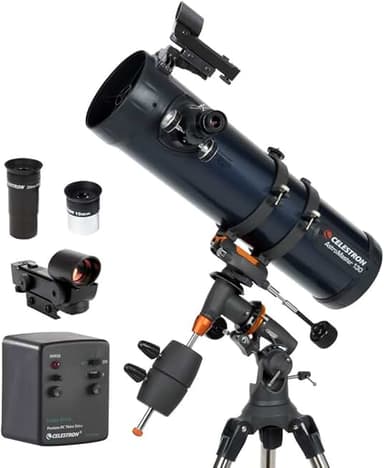
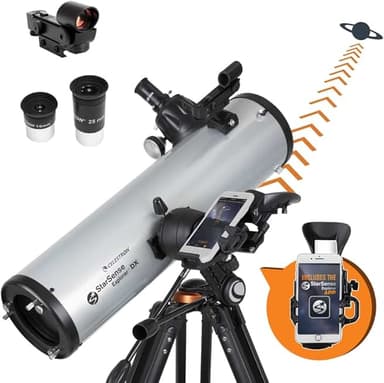
Celestron AstroMaster 130EQ-MD vs Celestron StarSense Explorer DX 130AZ
VS
Performance Profile
Score Comparison
Celestron AstroMaster 130EQ-MDCelestron StarSense Explorer
Overall
78
73
Value
68
64
Beginner
41
41
Astrophoto
68
53
Portability
57
57
Planetary
50
50
Deep Sky
54
54
Our Take
The Celestron AstroMaster 130EQ-MD wins this comparison decisively. Both telescopes share identical optics and aperture, but the AstroMaster delivers superior performance at a significantly lower price point, scoring 7 points higher overall while costing $131 less. The equatorial mount is the critical differentiator. The AstroMaster's motorized equatorial design excels at tracking celestial objects during observation, making it substantially better for astrophotography, planetary work, and extended deep-sky viewing.
The StarSense Explorer DX's alt-azimuth mount, while simpler to use initially, requires constant manual adjustment to keep objects centered, which frustrates serious observation and eliminates practical astrophotography capability. The StarSense Explorer's smartphone integration appeals to absolute beginners seeking hand-holding guidance, yet both scopes score identically for beginner performance. This suggests the computerized features don't meaningfully offset the mount's operational limitations. Amateur astronomers prioritizing value and observing quality should choose the Celestron AstroMaster 130EQ-MD.
Those wanting the simplest possible setup and smartphone assistance might consider the StarSense Explorer DX, though they'll sacrifice functionality and pay more for less capability. The AstroMaster 130EQ-MD is the clear recommendation for virtually anyone serious about amateur astronomy.
Key Differences
Why choose Celestron AstroMaster 130EQ-MD
- Higher Astrophoto score (68 vs 53)
Why choose Celestron StarSense Explorer
No significant advantages identified.
Specifications
SpecCelestron AstroMaster 130EQ-MDCelestron StarSense Explorer
Optical Specs
Aperture130mm130mm
Focal Length650mm650mm
Focal Ratiof/5f/5
Optical DesignNewtonianNewtonian
Mount & Tracking
Mount TypeEquatorialAlt-Az
GoToNoNo
TrackingYesYes
Physical
Weight7.71kg8.16kg
Included Accessories
FinderStarPointerStarPointer
Pricing & Reviews
Price$390$429
Amazon Rating4.0 stars4.1 stars
Reviews1,9001,550
Try these telescopes in our Eyepiece Calculator:
Related Comparisons
Celestron StarSense Explorer DX 130AZ vs Telescope, 150EQ Newtonian Reflector Telescope for Adults Astronomy BeginnersCelestron AstroMaster 130EQ vs Celestron StarSense Explorer DX 130AZCelestron StarSense Explorer DX 130AZ vs SVBONY SV503 102mm ED RefractorCelestron AstroMaster 130EQ-MD vs SkyWatcher S20204 Quattro Coma Corrector (Black)Celestron StarSense Explorer DX 130AZ vs SVBONY SV503 80mm ED RefractorCelestron AstroMaster 130EQ-MD vs Explore Scientific FL-AR102600TN Firstlight Tube Refractor Telescope with TWI Na