Comparison
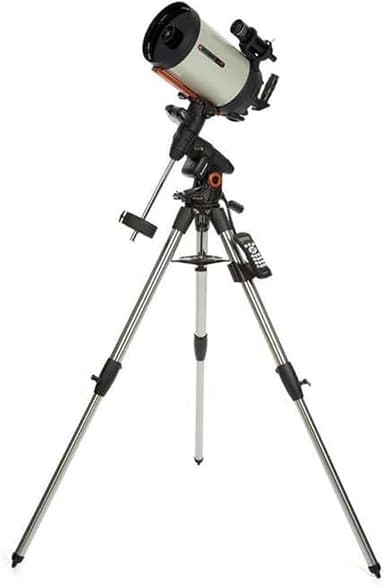
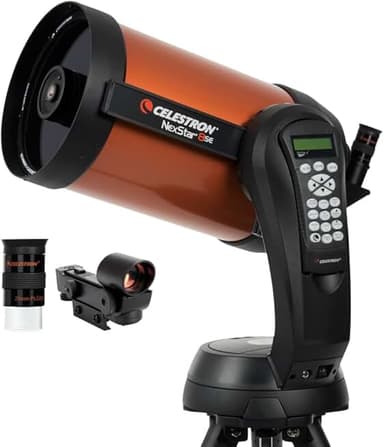
Celestron Advanced VX 8” EdgeHD Computerized Telescope vs Celestron NexStar 8SE
VS
Performance Profile
Score Comparison
Celestron Advanced VXCelestron NexStar 8SE
Overall
68
80
Value
35
42
Beginner
37
52
Astrophoto
66
61
Portability
15
53
Planetary
57
71
Deep Sky
59
61
Our Take
The Celestron NexStar 8SE is the clear winner for most amateur astronomers. It delivers superior overall performance (80 vs 68), costs $1100 less, and weighs roughly one-third as much, making it genuinely portable. The single most important differentiator is portability and practicality; the Advanced VX's 38.5kg weight and low portability score of 15 render it a backyard-only instrument, while the NexStar's 10.84kg mass means you'll actually transport it to dark skies.
The NexStar excels at planetary observation (71 vs 57) where its sharp optics shine, and it scores significantly higher for beginners despite similar aperture. The Advanced VX edges out in astrophotography (66 vs 61), suggesting marginally better optical refinement and mount stability for long exposures. Purchase the Celestron NexStar 8SE if you value versatility, ease of use, and want a scope you'll use frequently at multiple locations.
Choose the Celestron Advanced VX 8 EdgeHD only if you have a permanent observatory setup and prioritize astrophotography above all other pursuits. For most observers, the NexStar's combination of performance, affordability, and portability makes it the smarter investment.
Key Differences
Why choose Celestron Advanced VX
No significant advantages identified.
Why choose Celestron NexStar 8SE
- $1380 cheaper
- 27.7kg lighter and more portable
- Higher Overall score (80 vs 68)
- Higher Beginner score (52 vs 37)
- Higher Portability score (53 vs 15)
- Higher Planetary score (71 vs 57)
Specifications
SpecCelestron Advanced VXCelestron NexStar 8SE
Optical Specs
Aperture203.2mm203.2mm
Focal Length-2032mm
Focal Ratiof/10f/10
Optical DesignSchmidt-CassegrainSchmidt-Cassegrain
Mount & Tracking
Mount TypeEquatorialFork
GoToYesYes
TrackingYesYes
Physical
Weight38.51kg10.84kg
Included Accessories
FinderFinder scopeStarPointer
Pricing & Reviews
Price$3079$1699
Amazon Rating3.9 stars4.4 stars
Reviews192,493
Try these telescopes in our Eyepiece Calculator:
Related Comparisons
Celestron NexStar 8SE vs Explore Scientific ED102 FCD100Celestron Advanced VX 8” EdgeHD Computerized Telescope vs Unistellar OdysseyCelestron Advanced VX 8” EdgeHD Computerized Telescope vs Celestron NexStar Evolution 8 EdgeHDCelestron Advanced VX 8” EdgeHD Computerized Telescope vs Celestron EdgeHD 925 OTACelestron NexStar 8SE vs Celestron NexStar Evolution 9.25Celestron NexStar 8SE vs Explore Scientific ED102 FCD100