Comparison
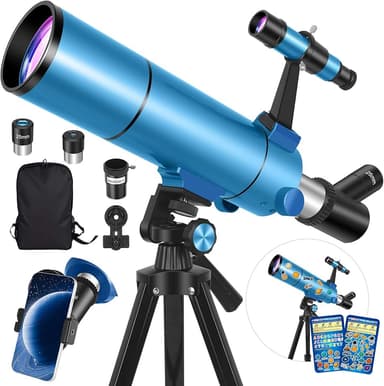
National Geographic Explorer 114mm vs Telescope for Adults & Kids, 80mm Aperture 500mm (20X-150X) Professional Refract
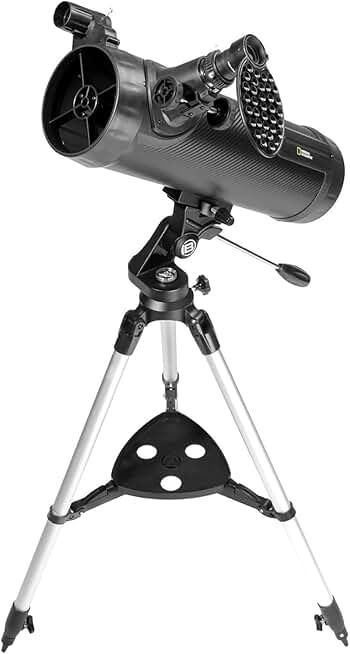
VS
Performance Profile
Score Comparison
National Geographic ExplorerTelescope for Adults
Overall
73
68
Value
94
93
Beginner
48
41
Astrophoto
39
32
Portability
63
63
Planetary
42
41
Deep Sky
45
37
Our Take
The National Geographic Explorer 114mm emerges as the clear winner for most amateur astronomers, though budget-conscious beginners might prefer the cheaper alternative. The single most important differentiator is aperture. The Explorer's 114mm opening gathers 28 percent more light than the 80mm refractor, delivering noticeably brighter images of faint deep-sky objects and superior planetary detail. Both share identical 500mm focal lengths and f-ratio performance within acceptable ranges, but light-gathering power is non-negotiable for astronomy.
The National Geographic Explorer 114mm suits observers prioritizing viewing quality and willing to invest slightly more; its Newtonian design maximizes contrast on planets and reveals more nebulae and galaxies. The Telescope for Adults & Kids refractor works best for casual stargazers and families seeking affordable entry-level observations without expecting impressive deep-sky performance. Choose the Explorer if you're serious about progressing beyond casual observation. Its superior optics across all observing categories justify the 25 percent price premium.
While slightly heavier, both remain portable enough for backyard use. The 114mm aperture represents genuine optical advantage; the refractor's lower cost cannot compensate for its inherent light-gathering limitation.
Key Differences
Why choose National Geographic Explorer
- 114mm aperture gathers more light than 80mm
- Faster f/4.4 for wider field of view
- 128 Amazon reviews vs 54
Why choose Telescope for Adults
- $10 cheaper
Specifications
SpecNational Geographic ExplorerTelescope for Adults
Optical Specs
Aperture114mm80mm
Focal Length500mm500mm
Focal Ratiof/4.4f/6.3
Optical DesignNewtonian-
Coating-Fully Multi-Coated
Mount & Tracking
Mount TypeAlt-AzAlt-Az
GoToNoNo
TrackingNoNo
Physical
Weight2.27kg2.75kg
Included Accessories
FinderRed dot finderFinder scope
Pricing & Reviews
Price$100$90
Amazon Rating4.1 stars4.2 stars
Reviews12854
Try these telescopes in our Eyepiece Calculator:
Related Comparisons
Celestron 1.25 Inch X-Cel LX 3X Barlow Lens, Black vs Telescope for Adults & Kids, 80mm Aperture 500mm (20X-150X) Professional RefractTelescope for Adults High Powered vs Telescope for Adults & Kids, 80mm Aperture 500mm (20X-150X) Professional RefractTelescope for Adults & Kids, 80mm Aperture 500mm (20X-150X) Professional Refract vs ToyerBee Telescope for Adults & KidsCelestron AstroMaster 70AZ vs Telescope for Adults & Kids, 80mm Aperture 500mm (20X-150X) Professional RefractAstromania Focal Reducer f/6.3 vs Telescope for Adults & Kids, 80mm Aperture 500mm (20X-150X) Professional RefractTelescope for Adults & Kids, 80mm Aperture 500mm (20X-150X) Professional Refract vs Telescopes, Telescope for Kids and Adults Beginners