Comparison
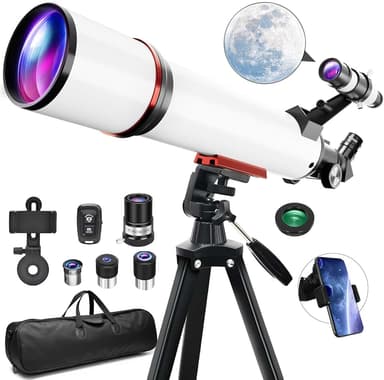
National Geographic Explorer 114mm vs Telescope for Adults Astronomy
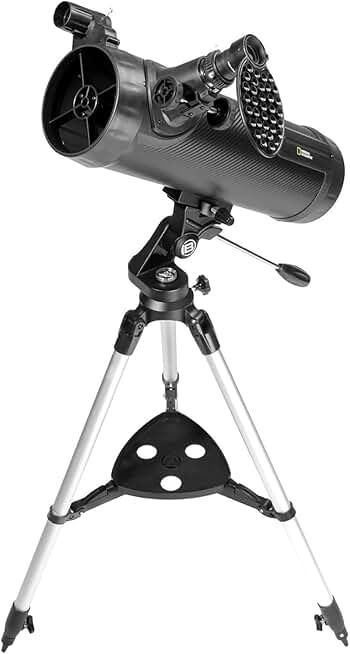
VS
Performance Profile
Score Comparison
National Geographic ExplorerTelescope for Adults
Overall
73
65
Value
94
89
Beginner
48
42
Astrophoto
39
30
Portability
63
64
Planetary
42
38
Deep Sky
45
35
Our Take
The National Geographic Explorer 114mm is the clear winner here. Its larger aperture delivers meaningfully better light-gathering ability, translating to superior performance across deep sky observation, planetary viewing, and astrophotography. The single most important differentiator is aperture size; the Explorer's 114mm versus the Telescope for Adults Astronomy's 90mm represents a 60 percent increase in light-collecting area, which compounds advantages in detecting faint objects and resolving fine planetary detail.
The National Geographic Explorer 114mm suits observers prioritizing optical performance and willing to accept slightly heavier equipment. The Telescope for Adults Astronomy appeals to those who value maximum portability and accept reduced optical capability as the tradeoff. Given that both are budget instruments with similar prices, the Explorer's superior scores across nearly every performance metric make it the stronger choice for most amateur astronomers.
The price difference of just 17 dollars is negligible compared to the performance gains. Only choose the Telescope for Adults Astronomy if portability is your absolute primary concern and you'll rarely observe from fixed locations.
Key Differences
Why choose National Geographic Explorer
- 114mm aperture gathers more light than 90mm
- $20 cheaper
- Faster f/4.4 for wider field of view
- 128 Amazon reviews vs 27
Why choose Telescope for Adults
No significant advantages identified.
Specifications
SpecNational Geographic ExplorerTelescope for Adults
Optical Specs
Aperture114mm90mm
Focal Length500mm700mm
Focal Ratiof/4.4f/7.8
Optical DesignNewtonian-
Mount & Tracking
Mount TypeAlt-AzAlt-Az
GoToNoNo
TrackingNoNo
Physical
Weight2.27kg2.07kg
Included Accessories
FinderRed dot finder5x24 optical finder
Pricing & Reviews
Price$100$120
Amazon Rating4.1 stars4.2 stars
Reviews12827
Try these telescopes in our Eyepiece Calculator:
Related Comparisons
Explore Scientific FirstLight AR90mm White Tube Refractor Telescope with Alt/AZ vs National Geographic Explorer 114mmGskyer 70AZ vs Telescope for Adults AstronomyNational Geographic Explorer 114mm vs Telescope, Telescope for Adults High Powered ProfessionalCelestron 1.25 Inch X-Cel LX 3X Barlow Lens, Black vs Telescope for Adults AstronomyCelestron 1.25 Inch X-Cel LX 3X Barlow Lens, Black vs National Geographic Explorer 114mmTelescope for Adults Astronomy vs Telescope for Adults High Powered