Comparison
Celestron PowerSeeker 127EQ vs National Geographic NT114CF
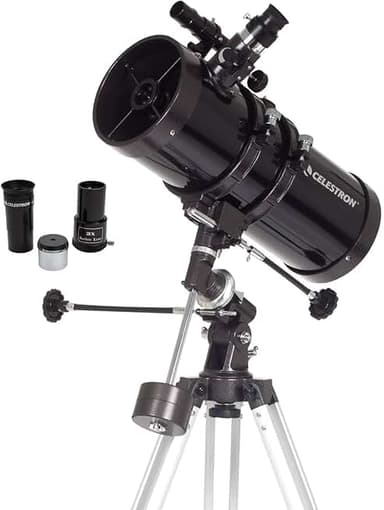
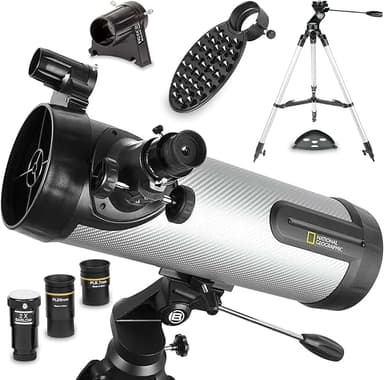
VS
Performance Profile
Score Comparison
Celestron PowerSeeker 127EQNational Geographic NT114CF
Overall
73
70
Value
85
87
Beginner
45
41
Astrophoto
48
39
Portability
60
61
Planetary
48
40
Deep Sky
41
45
Our Take
The Celestron PowerSeeker 127EQ edges out the National Geographic NT114CF, though neither excels in any particular domain. The PowerSeeker's larger 127mm aperture provides meaningful advantages in light gathering and planetary detail, reflected in its higher overall score of 73 versus 70. It outperforms across most categories, particularly in planetary observation where the longer focal length and superior optical quality shine.
The National Geographic NT114CF compensates somewhat with a faster f/4.4 focal ratio, making it more forgiving for deep sky viewing and marginally easier to handle, but these gains don't offset the PowerSeeker's broader capabilities. The single most important differentiator is aperture size. The PowerSeeker's 13mm advantage translates to roughly 13 percent more light gathering power, a tangible benefit for resolving planetary features and faint deep sky objects.
Buy the Celestron PowerSeeker 127EQ if you want a more capable all-around instrument for planetary observation and better detail across the board. Choose the National Geographic NT114CF if portability and ease of use matter most, or if you plan primarily observing extended deep sky objects on a tight budget. The PowerSeeker represents the better investment despite higher cost; the modest price difference justifies the performance gain.
Key Differences
Why choose Celestron PowerSeeker 127EQ
- 127mm aperture gathers more light than 114mm
- 10,316 Amazon reviews vs 39
Why choose National Geographic NT114CF
- $35 cheaper
- 1.0kg lighter and more portable
- Faster f/4.4 for wider field of view
Specifications
SpecCelestron PowerSeeker 127EQNational Geographic NT114CF
Optical Specs
Aperture127mm114mm
Focal Length1000mm500mm
Focal Ratiof/7.9f/4.4
Optical DesignNewtonian-
Mount & Tracking
Mount TypeEquatorialAlt-Az
GoToNoNo
TrackingNoNo
Physical
Weight5.9kg4.87kg
Included Accessories
FinderFinder scopeRed dot finder
Pricing & Reviews
Price$184$148
Amazon Rating4.1 stars4.0 stars
Reviews10,31639
Try these telescopes in our Eyepiece Calculator:
Related Comparisons
Celestron PowerSeeker 127EQ vs Telescope for Adults High PoweredCelestron AstroMaster 102AZ vs Celestron PowerSeeker 127EQExplore Scientific 62 Degree 26mm Waterproof Telescope Eyepiece vs National Geographic NT114CFCelestron PowerSeeker 127EQ vs Telescope, Telescope for Adults High Powered ProfessionalCelestron StarSense Explorer LT 114AZ vs National Geographic NT114CFCelestron PowerSeeker 127EQ vs Telescope, 150EQ Newtonian Reflector Telescope for Adults Astronomy Beginners