Comparison
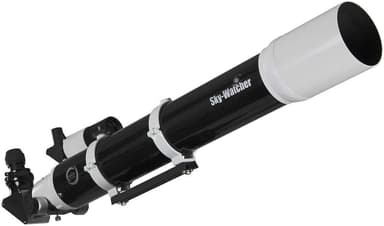
Celestron NexStar Evolution 9.25 vs Sky-Watcher Sky-Watcher EvoStar 80 APO Doublet Refractor
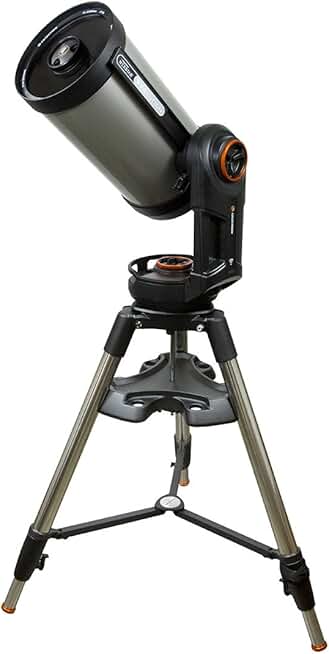
VS
Performance Profile
Score Comparison
Celestron NexStar EvolutionSky-Watcher Sky-Watcher EvoStar
Overall
74
37
Value
50
33
Beginner
38
32
Astrophoto
50
12
Portability
35
63
Planetary
74
22
Deep Sky
61
7
Our Take
The Celestron NexStar Evolution 9.25 is the clear winner for most amateur astronomers. The single most important differentiator is aperture; at 235mm versus 80mm, the Celestron gathers nearly nine times more light, fundamentally enabling deeper observations and sharper planetary detail. The NexStar's f/10 Schmidt-Cassegrain design excels at planetary and lunar work while its computerized GoTo mount handles tracking automatically, a significant convenience factor for extended observing sessions.
The Sky-Watcher EvoStar 80 APO Doublet Refractor offers only one compelling advantage: portability at 3.31kg versus 21.77kg, making it genuinely packable for travel. Buy the Celestron NexStar Evolution 9.25 if you want serious observing capability and don't mind a stationary setup in your backyard. Buy the Sky-Watcher EvoStar 80 APO if you prioritize hiking to dark sites or frequent travel and accept limited aperture as the trade-off.
For the vast majority of amateur astronomers seeking versatility across planets, deep sky, and moon observation, the NexStar's superior light-gathering and automated features justify the modest price difference and extra weight.
Key Differences
Why choose Celestron NexStar Evolution
- Includes GoTo mount for automatic object finding
- Has tracking capability for astrophotography
- Higher Overall score (74 vs 37)
- Higher Value score (50 vs 33)
- Higher Astrophoto score (50 vs 12)
- Higher Planetary score (74 vs 22)
Why choose Sky-Watcher Sky-Watcher EvoStar
- 18.5kg lighter and more portable
- Higher Portability score (63 vs 35)
Specifications
SpecCelestron NexStar EvolutionSky-Watcher Sky-Watcher EvoStar
Optical Specs
Aperture235mm-
Focal Length2350mm-
Focal Ratiof/10-
Optical DesignSchmidt-CassegrainApochromat Refractor
CoatingMulti-Coated-
Mount & Tracking
Mount TypeAlt-Az-
GoToYesNo
TrackingYesNo
Physical
Weight21.77kg3.31kg
Included Accessories
Finder-Finder scope
Focuser-Dual-speed Crayford
Pricing & Reviews
Price$1009$1100
Amazon Rating-4.5 stars
Reviews-169
Try these telescopes in our Eyepiece Calculator:
Related Comparisons
Celestron NexStar 6SE vs Celestron NexStar Evolution 9.25Celestron NexStar Evolution 9.25 vs Sky-Watcher SkyMax 127Celestron Advanced VX 6" Newtonian vs Sky-Watcher Sky-Watcher EvoStar 80 APO Doublet RefractorSky-Watcher EvoStar 100 APO Doublet Refractor vs Sky-Watcher Sky-Watcher EvoStar 80 APO Doublet RefractorCelestron NexStar Evolution 9.25 vs Sky-Watcher Quattro 150P Imaging NewtonianCelestron NexStar 8 SE Schmidt-Cassegrain Computerized Telescope with 1.25" Eyep vs Celestron NexStar Evolution 9.25