Comparison
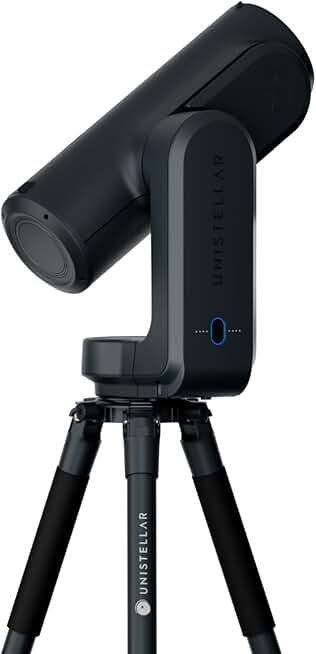
Celestron NexStar Evolution 9.25 vs Unistellar Odyssey
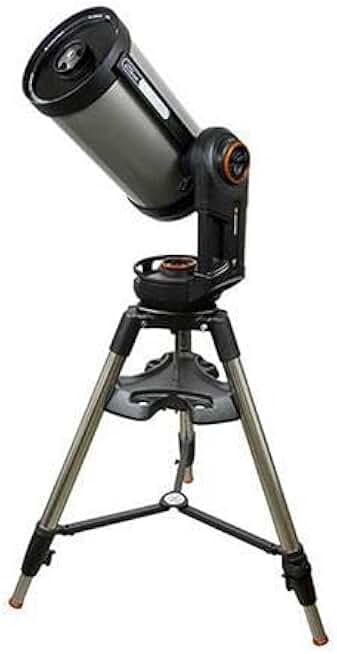
VS
Performance Profile
Score Comparison
Celestron NexStar EvolutionUnistellar Odyssey
Overall
71
85
Value
37
39
Beginner
37
63
Astrophoto
59
76
Portability
15
69
Planetary
72
50
Deep Sky
62
73
Our Take
The Unistellar Odyssey emerges as the winner for most amateur astronomers, despite the Celestron NexStar Evolution 9.25 offering superior light-gathering power. The single most important differentiator is the Odyssey's intelligent image processing and portability; its smart telescope technology automatically enhances celestial objects in real time, while its 6.5kg weight makes backyard astronomy genuinely convenient. The Celestron's 235mm aperture delivers unmatched planetary detail and deeper sky penetration, but only if you're willing to set up a 40kg telescope regularly.
The Celestron NexStar Evolution 9.25 belongs with committed planetary observers and deep-sky imagers who have permanent setup locations and prioritize raw optical performance over convenience. The Unistellar Odyssey suits beginners, astrophotographers seeking processed imagery, and anyone valuing portability, as evidenced by its 85/100 overall score versus the Celestron's 71/100. Choose the Odyssey unless you specifically demand maximum aperture for moon and planetary observation and have the physical space and motivation to haul 40kg of equipment.
The Odyssey's superior beginner score, astrophotography capability, and genuine usability make it the smarter investment for most observers.
Key Differences
Why choose Celestron NexStar Evolution
- 235mm aperture gathers more light than 114mm
- Higher Planetary score (72 vs 50)
Why choose Unistellar Odyssey
- $390 cheaper
- 33.1kg lighter and more portable
- Smart telescope with app control and live stacking
- Faster f/3.9 for wider field of view
- Higher Overall score (85 vs 71)
- Higher Beginner score (63 vs 37)
Specifications
SpecCelestron NexStar EvolutionUnistellar Odyssey
Optical Specs
Aperture235mm114mm
Focal Length2350mm320mm
Focal Ratiof/10f/3.9
Optical DesignSchmidt-Cassegrain-
Mount & Tracking
Mount TypeForkAlt-Az
GoToYesYes
TrackingYesYes
Physical
Weight39.64kg6.5kg
Included Accessories
FinderFinder scopeFinder scope
Pricing & Reviews
Price$2599$2209
Amazon Rating4.0 stars4.4 stars
Reviews1748
Try these telescopes in our Eyepiece Calculator:
Related Comparisons
Celestron Advanced VX 8” EdgeHD Computerized Telescope vs Unistellar OdysseyUnistellar Equinox 2 vs Unistellar OdysseyCelestron Advanced VX 8" SCT vs Unistellar OdysseyCelestron CGX 1100 vs Celestron NexStar Evolution 9.25Celestron NexStar 8SE vs Celestron NexStar Evolution 9.25Celestron Advanced VX 8” EdgeHD Computerized Telescope vs Celestron NexStar Evolution 9.25