Comparison
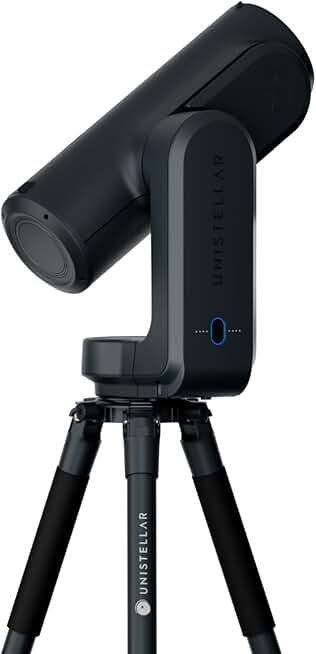
Celestron NexStar Evolution 8 vs Unistellar Odyssey
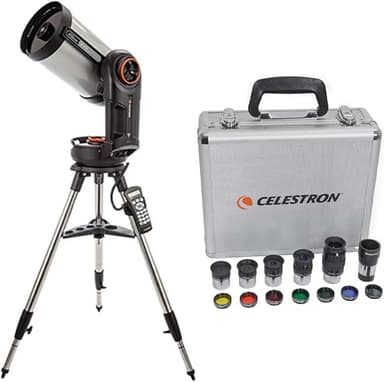
VS
Performance Profile
Score Comparison
Celestron NexStar EvolutionUnistellar Odyssey
Overall
70
85
Value
39
39
Beginner
37
63
Astrophoto
59
76
Portability
17
69
Planetary
69
50
Deep Sky
59
73
Our Take
The Unistellar Odyssey emerges as the overall winner, scoring 85/100 versus the Celestron NexStar Evolution 8's 70/100. However, this verdict depends heavily on your observing priorities and lifestyle. The single most important differentiator is aperture versus portability.
The Celestron NexStar Evolution 8 delivers significantly more light-gathering power with its 203mm aperture, making it substantially superior for planetary observation and demanding deep sky targets. Conversely, the Unistellar Odyssey's 114mm aperture sacrifices light-gathering but gains remarkable portability at just 6.5kg, plus smart features that enhance image processing and identification. The Celestron NexStar Evolution 8 suits dedicated planetary observers and those with permanent observatory setups who prioritize raw optical performance and can manage its 31kg weight.
The Unistellar Odyssey appeals to mobile observers, astrophotographers, and beginners who value ease of use, smart telescope capabilities, and the ability to transport their scope regularly. For most amateur astronomers balancing performance with practicality, the Unistellar Odyssey's superior overall score, exceptional portability, and beginner-friendly features make it the safer choice. Only commit to the Celestron if serious planetary viewing justifies sacrificing portability and accepting higher complexity.
Key Differences
Why choose Celestron NexStar Evolution
- 203.2mm aperture gathers more light than 114mm
- Higher Planetary score (69 vs 50)
Why choose Unistellar Odyssey
- 24.8kg lighter and more portable
- Smart telescope with app control and live stacking
- Faster f/3.9 for wider field of view
- Higher Overall score (85 vs 70)
- Higher Beginner score (63 vs 37)
- Higher Astrophoto score (76 vs 59)
Specifications
SpecCelestron NexStar EvolutionUnistellar Odyssey
Optical Specs
Aperture203.2mm114mm
Focal Length2032mm320mm
Focal Ratiof/10f/3.9
Optical DesignSchmidt-Cassegrain-
Mount & Tracking
Mount TypeForkAlt-Az
GoToYesYes
TrackingYesYes
Physical
Weight31.3kg6.5kg
Included Accessories
FinderFinder scopeFinder scope
Pricing & Reviews
Price$2000$2209
Amazon Rating4.3 stars4.4 stars
Reviews1748
Try these telescopes in our Eyepiece Calculator:
Related Comparisons
Celestron NexStar Evolution 8 vs Unistellar Equinox 2Celestron Advanced VX 8” EdgeHD Computerized Telescope vs Unistellar OdysseyUnistellar Equinox 2 vs Unistellar OdysseyCelestron Advanced VX 8" SCT vs Unistellar OdysseyCelestron NexStar Evolution 6 vs Celestron NexStar Evolution 8Celestron NexStar 8SE vs Celestron NexStar Evolution 8