Comparison
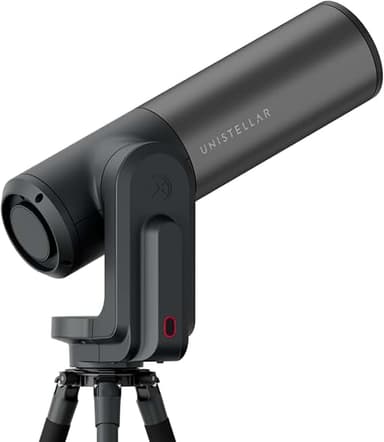
Celestron NexStar Evolution 8 EdgeHD vs Unistellar Equinox 2
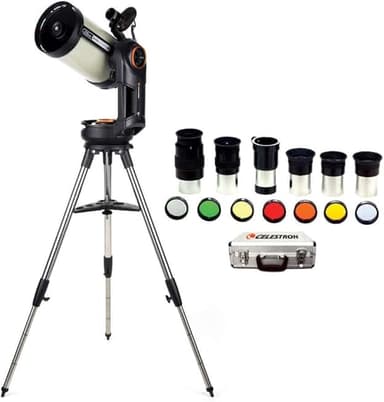
VS
Performance Profile
Score Comparison
Celestron NexStar EvolutionUnistellar Equinox 2
Overall
71
82
Value
36
38
Beginner
39
61
Astrophoto
51
73
Portability
38
65
Planetary
69
49
Deep Sky
59
70
Our Take
The verdict depends on your observing priorities. The Celestron NexStar Evolution 8 EdgeHD excels at planetary observation and resolving fine lunar detail thanks to its 203mm aperture, while the Unistellar Equinox 2 dominates deep sky viewing and astrophotography with superior image processing and a wider field of view. The single most important differentiator is aperture versus technology.
The Celestron NexStar Evolution 8 EdgeHD relies on traditional optical advantage; nearly twice the light-gathering power delivers sharper planetary views and brighter nebulae. The Unistellar Equinox 2 compensates for its smaller 114mm aperture through advanced digital enhancement and computational imaging, making faint objects pop on screen while remaining portable enough for dark-sky travel. Buy the Celestron NexStar Evolution 8 EdgeHD if you prioritize planetary observation, lunar detail, and visual deep sky work from a fixed location.
Buy the Unistellar Equinox 2 if you want portability, astrophotography capability, and enhanced views of deep sky objects without sacrificing convenience. For most amateur astronomers balancing capability with practicality, the Unistellar Equinox 2 edges ahead. Its superior beginner score, portability, and astrophotography performance make it more versatile, though planetary enthusiasts should seriously consider the Celestron's optical advantage.
Key Differences
Why choose Celestron NexStar Evolution
- 203.2mm aperture gathers more light than 114mm
- Higher Planetary score (69 vs 49)
- Higher Amazon rating (4.3 vs 3.4 stars)
Why choose Unistellar Equinox 2
- 11.2kg lighter and more portable
- Smart telescope with app control and live stacking
- Faster f/4 for wider field of view
- Higher Overall score (82 vs 71)
- Higher Beginner score (61 vs 39)
- Higher Astrophoto score (73 vs 51)
Specifications
SpecCelestron NexStar EvolutionUnistellar Equinox 2
Optical Specs
Aperture203.2mm114mm
Focal Length2032mm450mm
Focal Ratiof/10f/4
Optical DesignSchmidt-Cassegrain-
CoatingCoated-
Mount & Tracking
Mount TypeAlt-AzAlt-Az
GoToYesYes
TrackingYesYes
Physical
Weight20.23kg9kg
Included Accessories
FinderFinder scopeFinder scope
Pricing & Reviews
Price$2699$2464
Amazon Rating4.3 stars3.4 stars
Reviews623
Try these telescopes in our Eyepiece Calculator:
Related Comparisons
Celestron NexStar Evolution 8 vs Unistellar Equinox 2Unistellar Equinox 2 vs Unistellar OdysseyCelestron Advanced VX 7" Mak vs Unistellar Equinox 2Celestron NexStar Evolution 8 EdgeHD vs Explore Scientific ED102 FCD100Celestron EdgeHD 925 OTA vs Celestron NexStar Evolution 8 EdgeHDCelestron Advanced VX 8” EdgeHD Computerized Telescope vs Unistellar Equinox 2