Comparison
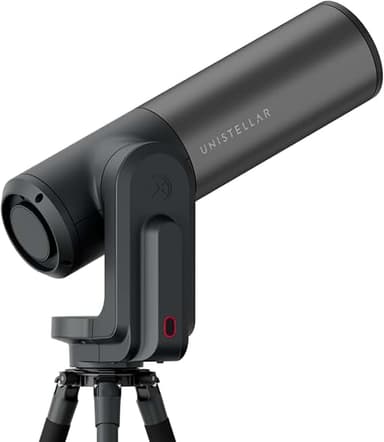
Celestron NexStar Evolution 8 vs Unistellar Equinox 2
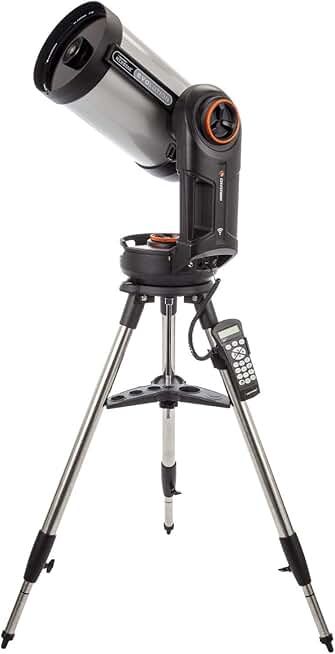
VS
Performance Profile
Score Comparison
Celestron NexStar EvolutionUnistellar Equinox 2
Overall
72
82
Value
39
38
Beginner
43
61
Astrophoto
51
73
Portability
42
65
Planetary
69
49
Deep Sky
59
70
Our Take
The verdict depends entirely on your observing priorities. The Celestron NexStar Evolution 8 excels at planetary observation with its larger 203mm aperture and f/10 focal ratio, delivering superior detail on Jupiter, Saturn, and the Moon. However, the Unistellar Equinox 2 costs nearly $900 more while sacrificing planetary performance, so this gap is significant.
The single most important differentiator is aperture; the NexStar's 203mm versus the Equinox 2's 114mm fundamentally determines light-gathering ability and resolution. The NexStar Evolution 8 suits observers prioritizing planetary work on a reasonable budget who can manage 17.5kg of weight and accept lower beginner-friendliness. The Unistellar Equinox 2 is better for those emphasizing astrophotography, portability, and deep-sky observation who value integrated smart features and can afford the premium price tag.
Buy the Celestron NexStar Evolution 8 if planetary observation and value matter most. Choose the Unistellar Equinox 2 if you want cutting-edge smart features, excellent portability, and stronger astrophotography capabilities despite compromised planetary performance and cost.
Key Differences
Why choose Celestron NexStar Evolution
- 203.2mm aperture gathers more light than 114mm
- $465 cheaper
- Higher Planetary score (69 vs 49)
- Higher Amazon rating (4.4 vs 3.4 stars)
- 72 Amazon reviews vs 23
Why choose Unistellar Equinox 2
- 8.5kg lighter and more portable
- Smart telescope with app control and live stacking
- Faster f/4 for wider field of view
- Higher Beginner score (61 vs 43)
- Higher Astrophoto score (73 vs 51)
- Higher Portability score (65 vs 42)
Specifications
SpecCelestron NexStar EvolutionUnistellar Equinox 2
Optical Specs
Aperture203.2mm114mm
Focal Length2032mm450mm
Focal Ratiof/10f/4
Optical DesignSchmidt-Cassegrain-
Mount & Tracking
Mount TypeAlt-AzAlt-Az
GoToYesYes
TrackingYesYes
Physical
Weight17.46kg9kg
Included Accessories
FinderFinder scopeFinder scope
Pricing & Reviews
Price$1999$2464
Amazon Rating4.4 stars3.4 stars
Reviews7223
Try these telescopes in our Eyepiece Calculator:
Related Comparisons
Celestron NexStar Evolution 8 vs Unistellar Equinox 2Unistellar Equinox 2 vs Unistellar OdysseyCelestron Advanced VX 7" Mak vs Unistellar Equinox 2Celestron CGEM II Computerized German Type Motorized Equatorial Mount vs Celestron NexStar Evolution 8Celestron NexStar Evolution 8 vs Explore Scientific ED127 FCD100Celestron NexStar 8 SE Schmidt-Cassegrain Computerized Telescope with 1.25" Eyep vs Celestron NexStar Evolution 8