Comparison
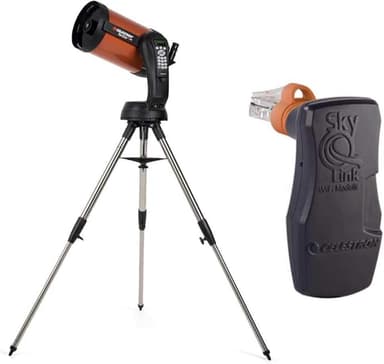
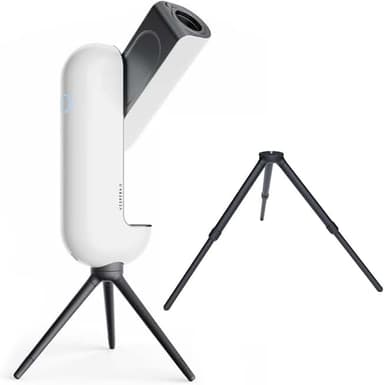
Celestron NexStar 8SE vs Vaonis Vespera II
Performance Profile
Score Comparison
Celestron NexStar 8SEVaonis Vespera II
Overall
73
80
Value
41
41
Beginner
39
61
Astrophoto
59
68
Portability
35
68
Planetary
69
50
Deep Sky
59
61
Our Take
The winner depends entirely on your priorities. The Celestron NexStar 8SE dominates in light-gathering power and planetary observation with its 8-inch aperture, while the Vaonis Vespera II excels in portability and automated astrophotography, weighing just 7 kilograms compared to the Celestron's 22 kilograms. The single most important differentiator is aperture versus automation. The NexStar's 203mm mirror collects roughly 16 times more light than the Vespera II's 50mm objective lens, making it far superior for viewing faint deep-sky objects and lunar detail.
Conversely, the Vespera II's smart telescope features, compact design, and 68/100 portability score make it genuinely portable, while the NexStar is a backyard-bound instrument. The Celestron NexStar 8SE suits observers prioritizing planetary views and serious deep-sky work who have a permanent observing location. The Vaonis Vespera II appeals to travelers and astrophotographers seeking convenience and automated imaging without sacrificing too much capability. Choose the NexStar if you'll observe regularly from home and want maximum optical performance per dollar.
Choose the Vespera II if you value portability and integrated astrophotography features enough to accept reduced light-gathering ability. Neither is objectively better; they serve fundamentally different observing philosophies.
Key Differences
Why choose Celestron NexStar 8SE
- 203.2mm aperture gathers more light than 50mm
- Higher Planetary score (69 vs 50)
Why choose Vaonis Vespera II
- 14.8kg lighter and more portable
- Smart telescope with app control and live stacking
- Faster f/5 for wider field of view
- Higher Beginner score (61 vs 39)
- Higher Portability score (68 vs 35)
Specifications
SpecCelestron NexStar 8SEVaonis Vespera II
Optical Specs
Aperture203.2mm50mm
Focal Length2032mm250mm
Focal Ratiof/10f/5
Optical DesignSchmidt-CassegrainApochromat Refractor
Mount & Tracking
Mount TypeForkAlt-Az
GoToYesYes
TrackingYesYes
Physical
Weight21.91kg7.12kg
Included Accessories
FinderFinder scope-
Pricing & Reviews
Price$1700$1719
Amazon Rating4.7 stars-
Reviews13-
Try these telescopes in our Eyepiece Calculator:
Related Comparisons
Celestron NexStar 8 SE Schmidt-Cassegrain Computerized Telescope with 1.25" Eyep vs Celestron NexStar 8SECelestron Advanced VX 7" Mak vs Vaonis Vespera IICelestron NexStar 8SE vs Celestron NexStar Evolution 8Celestron NexStar 8SE vs Vaonis Vespera II Exploration StationCelestron NexStar 8SE vs Celestron NexStar Evolution 9.25Celestron Advanced VX 8” EdgeHD Computerized Telescope vs Celestron NexStar 8SE