Comparison
Celestron NexStar 8SE vs Celestron NexStar Evolution 9.25
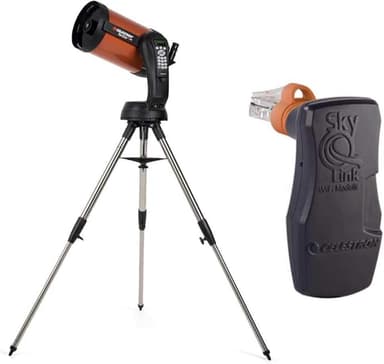
VS
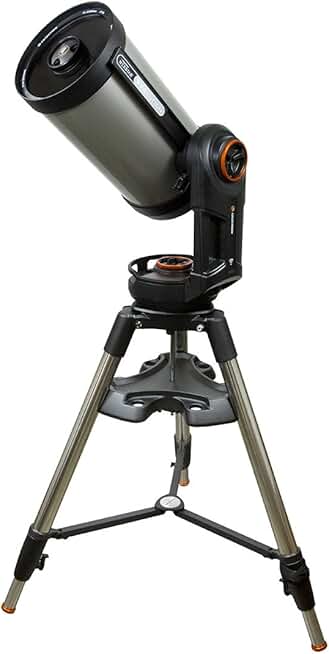
Performance Profile
Score Comparison
Celestron NexStar 8SECelestron NexStar Evolution
Overall
73
74
Value
42
50
Beginner
39
38
Astrophoto
59
50
Portability
35
35
Planetary
69
74
Deep Sky
59
61
Our Take
It depends on your priorities. Both telescopes are competent performers with nearly identical weights and comparable overall scores, but they excel in different areas. The single most important differentiator is aperture and price. The NexStar Evolution 9.25 offers a larger 235mm mirror for $561 less than the 8SE's 203mm aperture, giving you substantially more light gathering and resolving power. However, the 8SE's fork mount provides better balance and handling despite similar weight figures.
The NexStar Evolution 9.25 is the stronger choice for planetary observation, where its larger aperture shines with a 74/100 planetary score. The NexStar 8SE suits observers prioritizing astrophotography, where its superior optics and more stable fork mount deliver a 59/100 score versus the Evolution's 50/100. Buy the NexStar Evolution 9.25 if you want maximum aperture and optical performance per dollar. Buy the NexStar 8SE if planetary detail and astrophotography are your primary targets and budget allows for the premium.
The Evolution 9.25 represents better value for most amateur astronomers seeking deep-sky and planetary viewing. Its aperture advantage justifies the choice unless you're committed to serious deep-sky imaging, where the 8SE's optical advantages become relevant.
Key Differences
Why choose Celestron NexStar 8SE
No significant advantages identified.
Why choose Celestron NexStar Evolution
- 235mm aperture gathers more light than 203.2mm
- $562 cheaper
Specifications
SpecCelestron NexStar 8SECelestron NexStar Evolution
Optical Specs
Aperture203.2mm235mm
Focal Length2032mm2350mm
Focal Ratiof/10f/10
Optical DesignSchmidt-CassegrainSchmidt-Cassegrain
Coating-Multi-Coated
Mount & Tracking
Mount TypeForkAlt-Az
GoToYesYes
TrackingYesYes
Physical
Weight21.91kg21.77kg
Included Accessories
FinderFinder scope-
Pricing & Reviews
Price$1600$1038
Amazon Rating4.7 stars-
Reviews13-
Try these telescopes in our Eyepiece Calculator:
Related Comparisons
Celestron NexStar 8 SE Schmidt-Cassegrain Computerized Telescope with 1.25" Eyep vs Celestron NexStar 8SECelestron NexStar 6SE vs Celestron NexStar Evolution 9.25Celestron NexStar Evolution 9.25 vs Sky-Watcher SkyMax 127Celestron NexStar 8SE vs Celestron NexStar Evolution 8Celestron NexStar 8SE vs Vaonis Vespera II Exploration StationCelestron NexStar Evolution 9.25 vs Sky-Watcher Quattro 150P Imaging Newtonian