Comparison
Celestron NexStar 8SE vs Explore Scientific ED102 FCD100
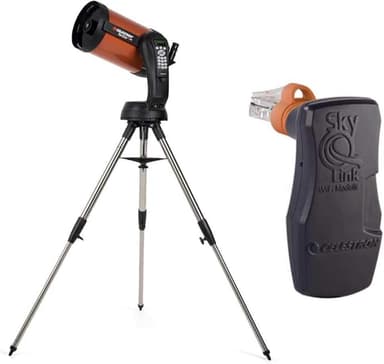
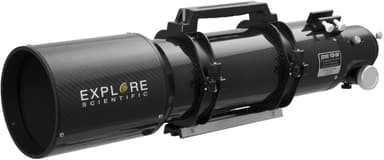
VS
Performance Profile
Score Comparison
Celestron NexStar 8SEExplore Scientific ED102
Overall
73
40
Value
41
30
Beginner
39
25
Astrophoto
59
39
Portability
35
63
Planetary
69
8
Deep Sky
59
16
Our Take
The Celestron NexStar 8SE is the clear winner for most amateur astronomers. It delivers superior optical performance across nearly every observing category, backed by reliable GoTo automation that makes celestial navigation intuitive for users of any experience level. The single most important differentiator is the NexStar's significantly larger 203mm aperture, which directly translates to superior light-gathering power and resolving ability for both planetary details and deep-sky objects.
The Explore Scientific ED102 FCD100 occupies a narrow niche; its featherweight design and fast f/7 focal ratio make it exceptional for visual observers who prioritize portability and wide-field viewing of nebulae and star clusters. However, its surprisingly poor planetary and deep-sky scores relative to its price point raise questions about optical quality or testing methodology. The Celestron NexStar 8SE suits observers seeking versatility with computerized convenience and robust optical performance across all observing interests.
The Explore Scientific ED102 FCD100 appeals exclusively to hikers and travelers willing to accept significant optical compromises for maximum portability. For stationary backyard observers, the NexStar's larger aperture and automation justify the lower price; it's the more rational investment for serious amateur astronomy.
Key Differences
Why choose Celestron NexStar 8SE
- $550 cheaper
- Includes GoTo mount for automatic object finding
- Has tracking capability for astrophotography
- Higher Overall score (73 vs 40)
- Higher Value score (41 vs 30)
- Higher Beginner score (39 vs 25)
Why choose Explore Scientific ED102
- 18.7kg lighter and more portable
- Faster f/7 for wider field of view
- Higher Portability score (63 vs 35)
Specifications
SpecCelestron NexStar 8SEExplore Scientific ED102
Optical Specs
Aperture203.2mm-
Focal Length2032mm-
Focal Ratiof/10f/7
Optical DesignSchmidt-Cassegrain-
Mount & Tracking
Mount TypeForkEquatorial
GoToYesNo
TrackingYesNo
Physical
Weight21.91kg3.18kg
Included Accessories
FinderFinder scopeFinder scope
Pricing & Reviews
Price$1700$2250
Amazon Rating4.7 stars2.0 stars
Reviews131
Try these telescopes in our Eyepiece Calculator:
Related Comparisons
Celestron NexStar 8 SE Schmidt-Cassegrain Computerized Telescope with 1.25" Eyep vs Celestron NexStar 8SECelestron NexStar 8 SE Schmidt-Cassegrain Computerized Telescope with 1.25" Eyep vs Explore Scientific ED102 FCD100Celestron NexStar 8SE vs Explore Scientific ED102 FCD100Celestron NexStar Evolution 8 EdgeHD vs Explore Scientific ED102 FCD100Celestron NexStar 8SE vs Celestron NexStar Evolution 8Celestron NexStar 8SE vs Vaonis Vespera II Exploration Station