Comparison
Celestron NexStar 130SLT vs Celestron StarSense Explorer DX 102AZ
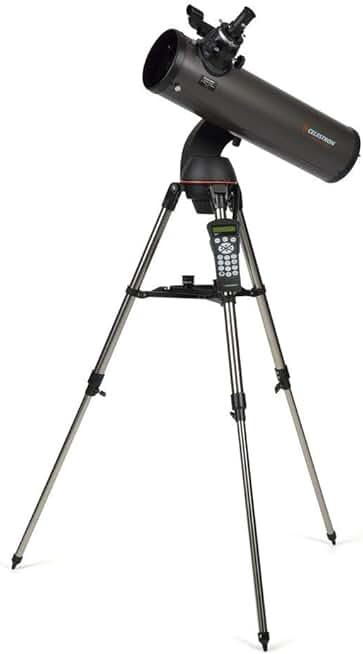
VS

Performance Profile
Score Comparison
Celestron NexStar 130SLTCelestron StarSense Explorer
Overall
85
69
Value
67
60
Beginner
61
41
Astrophoto
62
49
Portability
61
59
Planetary
56
44
Deep Sky
65
49
Our Take
The Celestron NexStar 130SLT is the clear winner for most amateur astronomers. It delivers superior performance across nearly every category, scoring 16 points higher overall with particularly strong advantages in deep sky observation and planetary viewing. Both telescopes offer GoTo capability and tracking, but the NexStar's larger 130mm aperture provides significantly better light-gathering power, which is the fundamental advantage in astronomy. The aperture difference is the critical differentiator.
The NexStar's 130mm mirror versus the StarSense's 102mm refractor means roughly 60 percent more light collection, translating directly to brighter, more detailed views of galaxies, nebulae, and lunar features. While the StarSense is slightly cheaper and marginally more portable, these modest benefits don't compensate for the performance gap. The StarSense Explorer DX 102AZ suits budget-conscious beginners prioritizing ease of setup and portability over observing power. The Celestron NexStar 130SLT is the choice for anyone serious about seeing deeper into the night sky and getting genuine value from their investment.
For most amateur astronomers, the NexStar's superior optics and larger aperture justify the modest price premium. It will provide noticeably better views and years of rewarding observation.
Key Differences
Why choose Celestron NexStar 130SLT
- 130mm aperture gathers more light than 102mm
- 1.3kg lighter and more portable
- Includes GoTo mount for automatic object finding
- Faster f/5 for wider field of view
- Higher Overall score (85 vs 69)
- Higher Beginner score (61 vs 41)
Why choose Celestron StarSense Explorer
- $106 cheaper
Specifications
SpecCelestron NexStar 130SLTCelestron StarSense Explorer
Optical Specs
Aperture130mm102mm
Focal Length650mm660mm
Focal Ratiof/5f/6.5
Optical DesignNewtonianAchromat Refractor
Mount & Tracking
Mount TypeAlt-AzAlt-Az
GoToYesNo
TrackingYesYes
Physical
Weight5.17kg6.44kg
Included Accessories
FinderStarPointerStarPointer
Pricing & Reviews
Price$535$430
Amazon Rating4.3 stars4.1 stars
Reviews2,1781,550
Try these telescopes in our Eyepiece Calculator:
Related Comparisons
Celestron StarSense Explorer DX 102AZ vs SVBONY SV550 80mm APO TripletAskar 71F Flat-Field Telescope, 71mm Aperture F6.9 ED Glass Refractor OTA vs Celestron NexStar 130SLTCelestron NexStar 130SLT vs Telescope, 150EQ Newtonian Reflector Telescope for Adults Astronomy BeginnersCelestron NexStar 130SLT vs SVBONY SV550 80mm APO TripletCelestron StarSense Explorer DX 102AZ vs Explore Scientific AR 80/900Celestron NexStar 130SLT vs Telescope 130EQ Newtonian Reflector Telescopes for Adults