Comparison
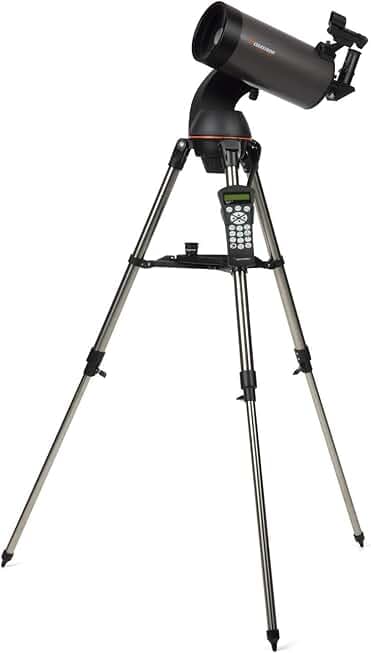
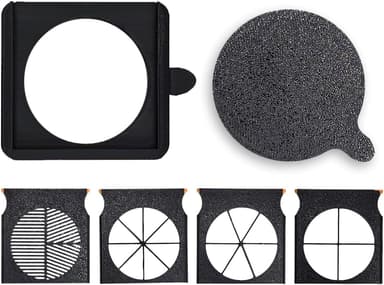
Celestron NexStar 127SLT vs ZWO Seestar S50
Performance Profile
Score Comparison
Celestron NexStar 127SLTZWO Seestar S50
Overall
79
93
Value
62
76
Beginner
55
71
Astrophoto
54
71
Portability
57
86
Planetary
66
53
Deep Sky
51
64
Our Take
The ZWO Seestar S50 wins for most amateur astronomers, but the Celestron NexStar 127SLT remains the better choice for specific observers. The single most important differentiator is aperture versus convenience; the NexStar offers 2.5 times more light-gathering capability for deeper views of faint objects, while the Seestar prioritizes ease of use with its integrated smart telescope technology and exceptional portability. The Seestar's 86/100 portability score and simple smartphone interface make it ideal for observers who value setup speed and travel, particularly those new to astronomy seeking quick wins.
The NexStar suits patient observers with a fixed observing location who prioritize planetary detail and deep sky observation, accepting its steeper learning curve and modest weight penalty. The Seestar's higher overall score of 93 versus 80 reflects modern astrophotography integration and beginner-friendly design rather than raw optical performance. For casual observers and travel enthusiasts, the Seestar delivers better real-world satisfaction.
For serious planetary observers or those planning frequent dark-sky trips from a home base, the NexStar's superior aperture justifies its learning demands. The Seestar edges out as the more versatile choice for typical amateurs.
Key Differences
Why choose Celestron NexStar 127SLT
- 127mm aperture gathers more light than 50mm
- Higher Planetary score (66 vs 53)
- 1,185 Amazon reviews vs 326
Why choose ZWO Seestar S50
- $151 cheaper
- 5.7kg lighter and more portable
- Smart telescope with app control and live stacking
- Faster f/5 for wider field of view
- Higher Overall score (93 vs 79)
- Higher Value score (76 vs 62)
Specifications
SpecCelestron NexStar 127SLTZWO Seestar S50
Optical Specs
Aperture127mm50mm
Focal Length1500mm250mm
Focal Ratiof/11.8f/5
Optical DesignMaksutov-CassegrainApochromat Refractor
Mount & Tracking
Mount TypeForkAlt-Az
GoToYesYes
TrackingYesYes
Physical
Weight8.21kg2.5kg
Tube Length-250mm
Included Accessories
FinderStarPointerFinder scope
Pricing & Reviews
Price$650$499
Amazon Rating4.2 stars4.5 stars
Reviews1,185326
Try these telescopes in our Eyepiece Calculator:
Related Comparisons
Celestron NexStar 127SLT vs Sky-Watcher Quattro 150P Imaging NewtonianCelestron NexStar 127SLT vs Sky-Watcher SkyMax 102Celestron NexStar 127SLT vs Celestron StarSense Explorer DX 5" SCTCelestron NexStar 127SLT vs Celestron NexStar Evolution 9.25Celestron NexStar 127SLT vs SVBONY SV550 80mm APO TripletCelestron NexStar 127SLT vs Sky-Watcher SkyMax 102